Exhibition Inspiration
The inspiration for these two series stems from the trades of Olanrewaju Tejuoso's mother and grandmother. His mother is known as Ìyá alátẹ, a popular title for women who sell provisions and groceries in the neighborhood. His grandmother was a cloth merchant known as iya alaso who traveled between Ilu Oke and Abeokuta, trading Abeokuta's Àdìrẹ for Ilu Oke's Aṣọ-òkè.
Growing up, Tejuoso watched his grandmother bring home various styles of Àdìrẹ; these lasting memories directly inspired this body of work.
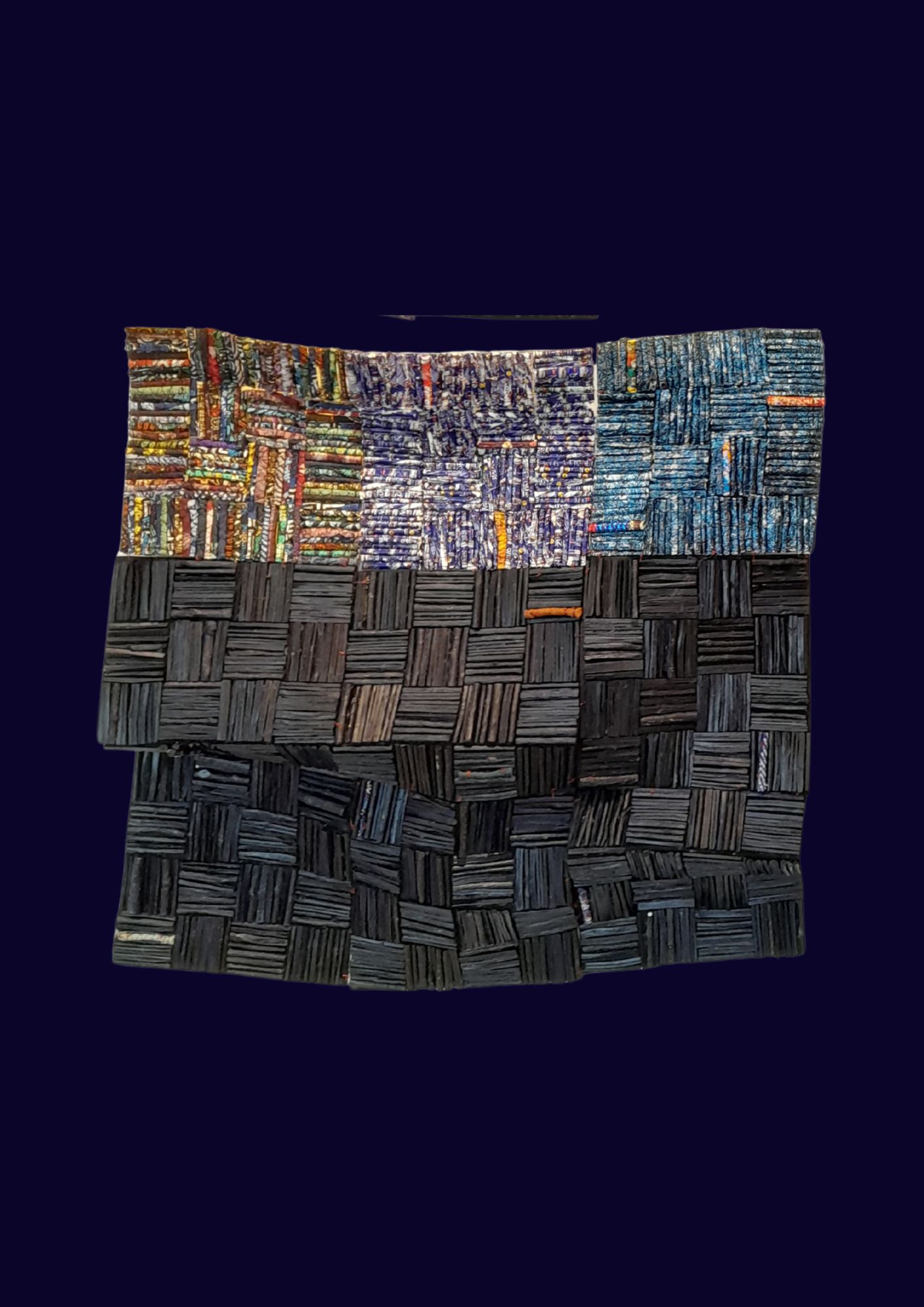
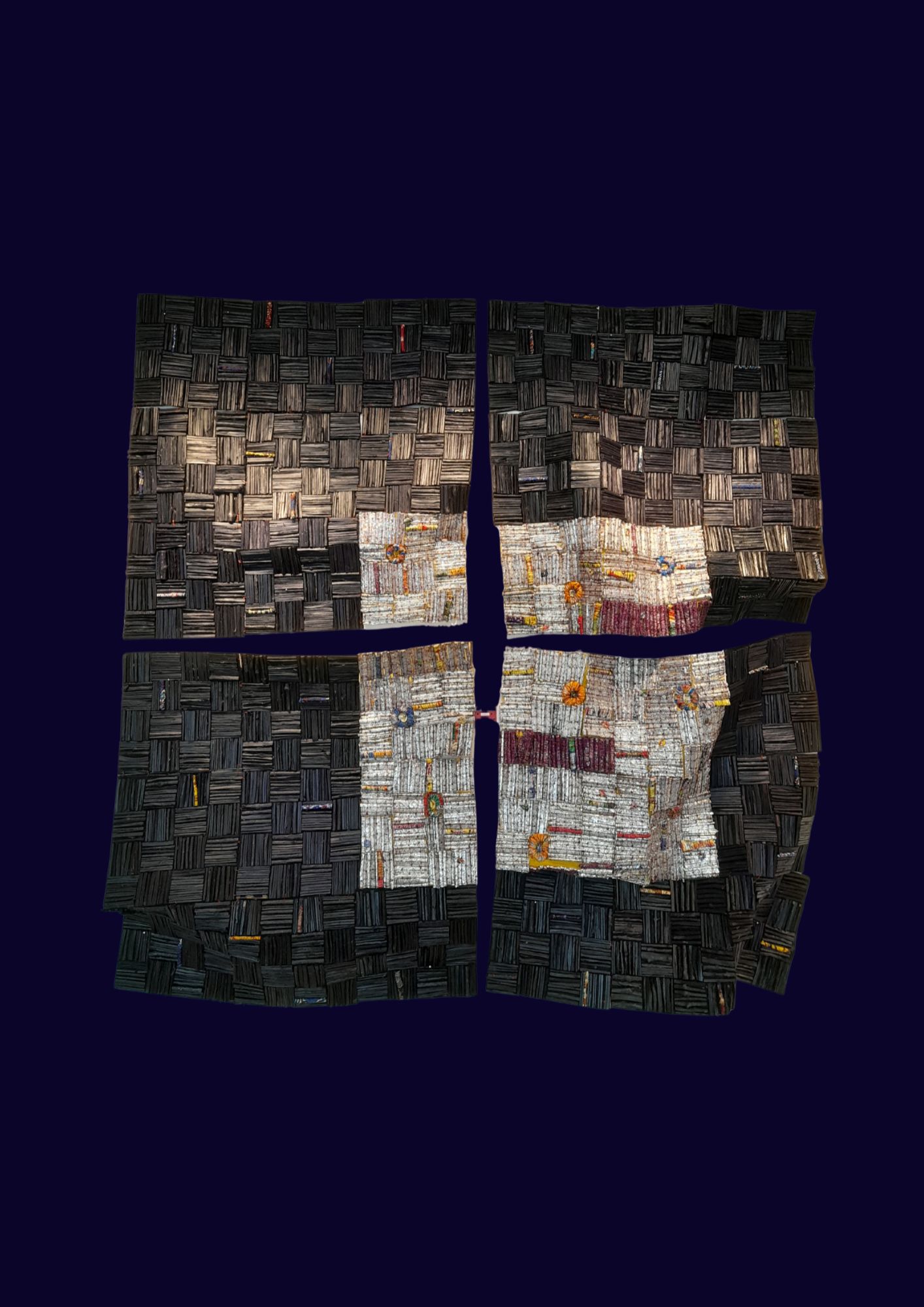
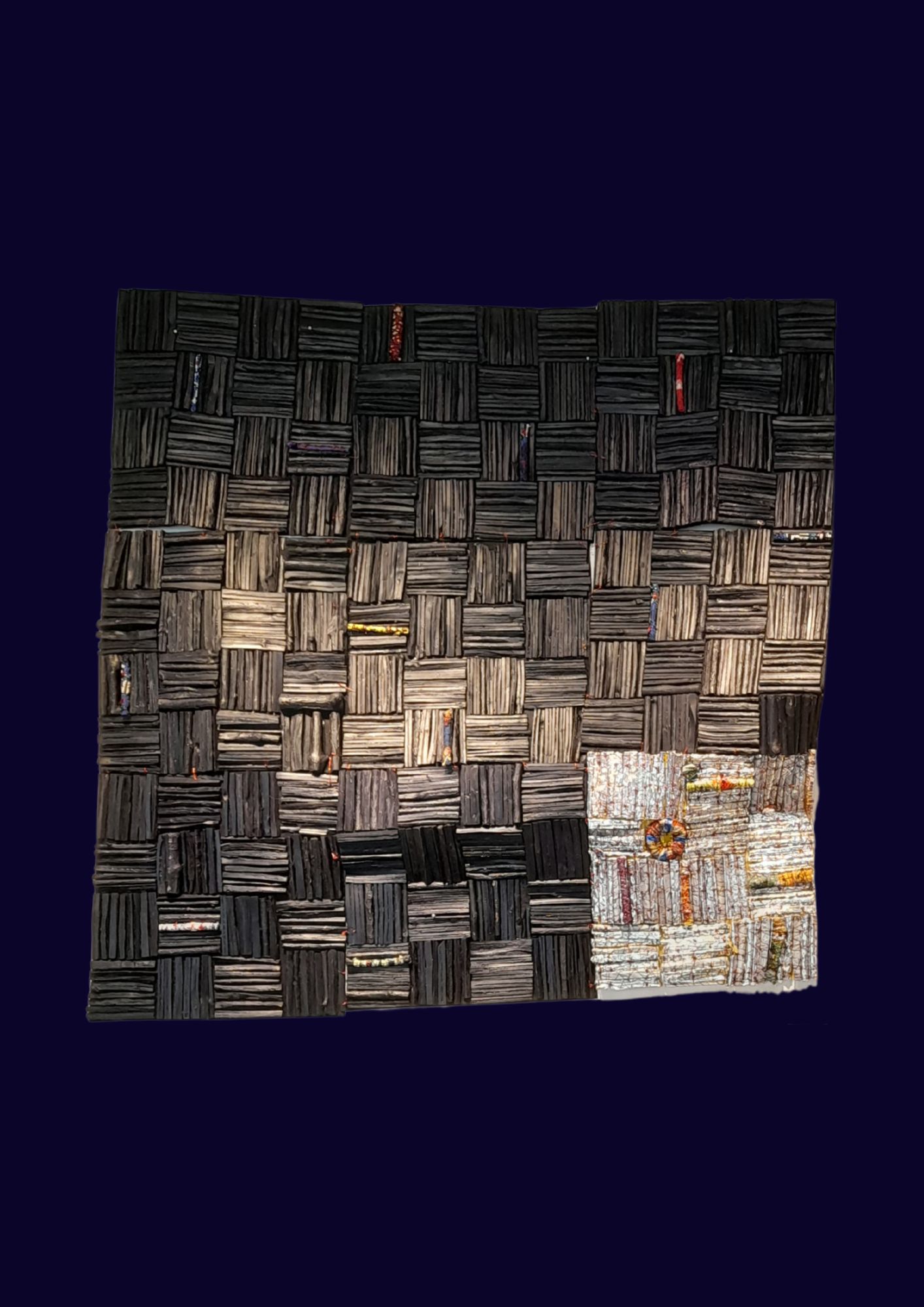
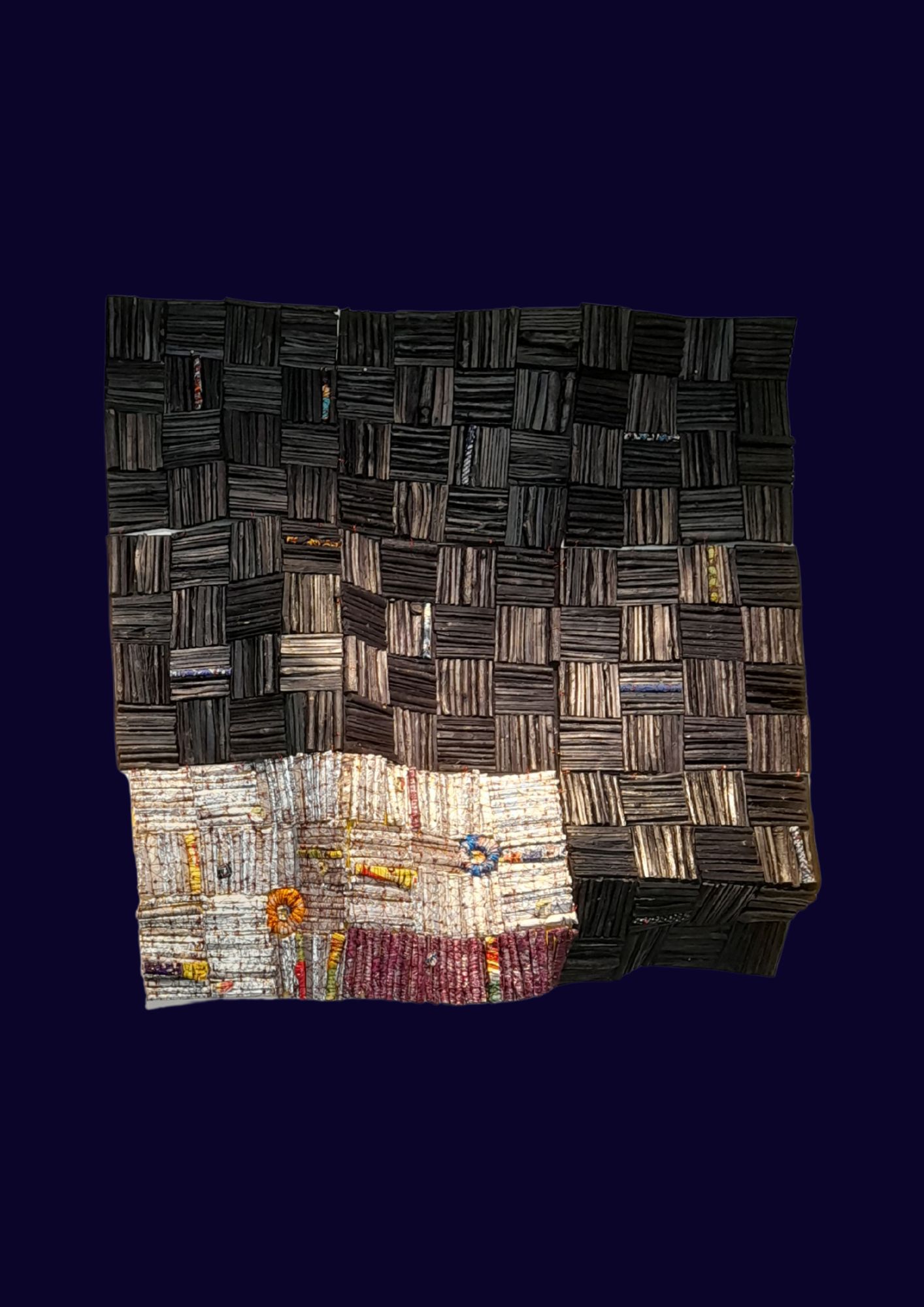
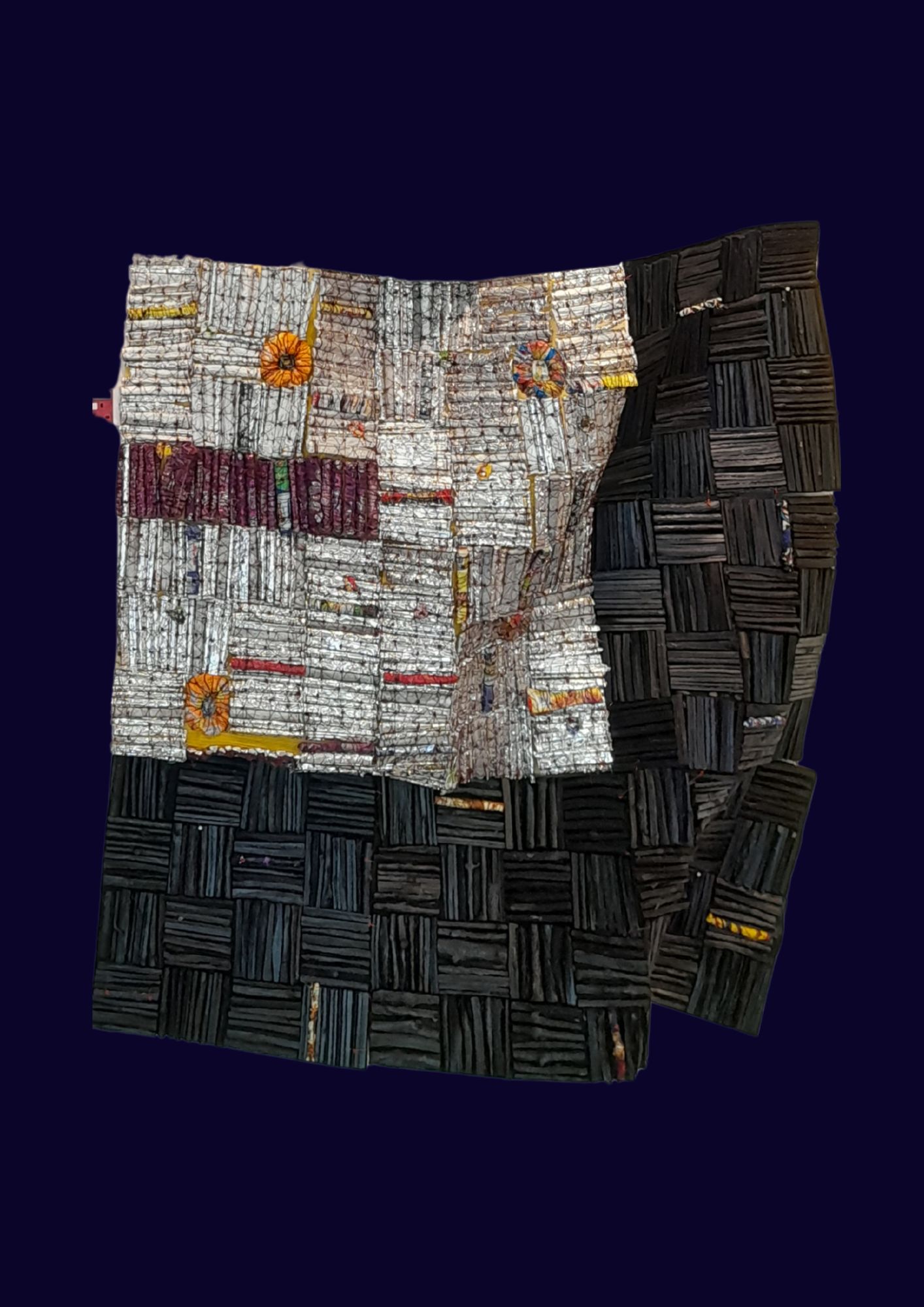
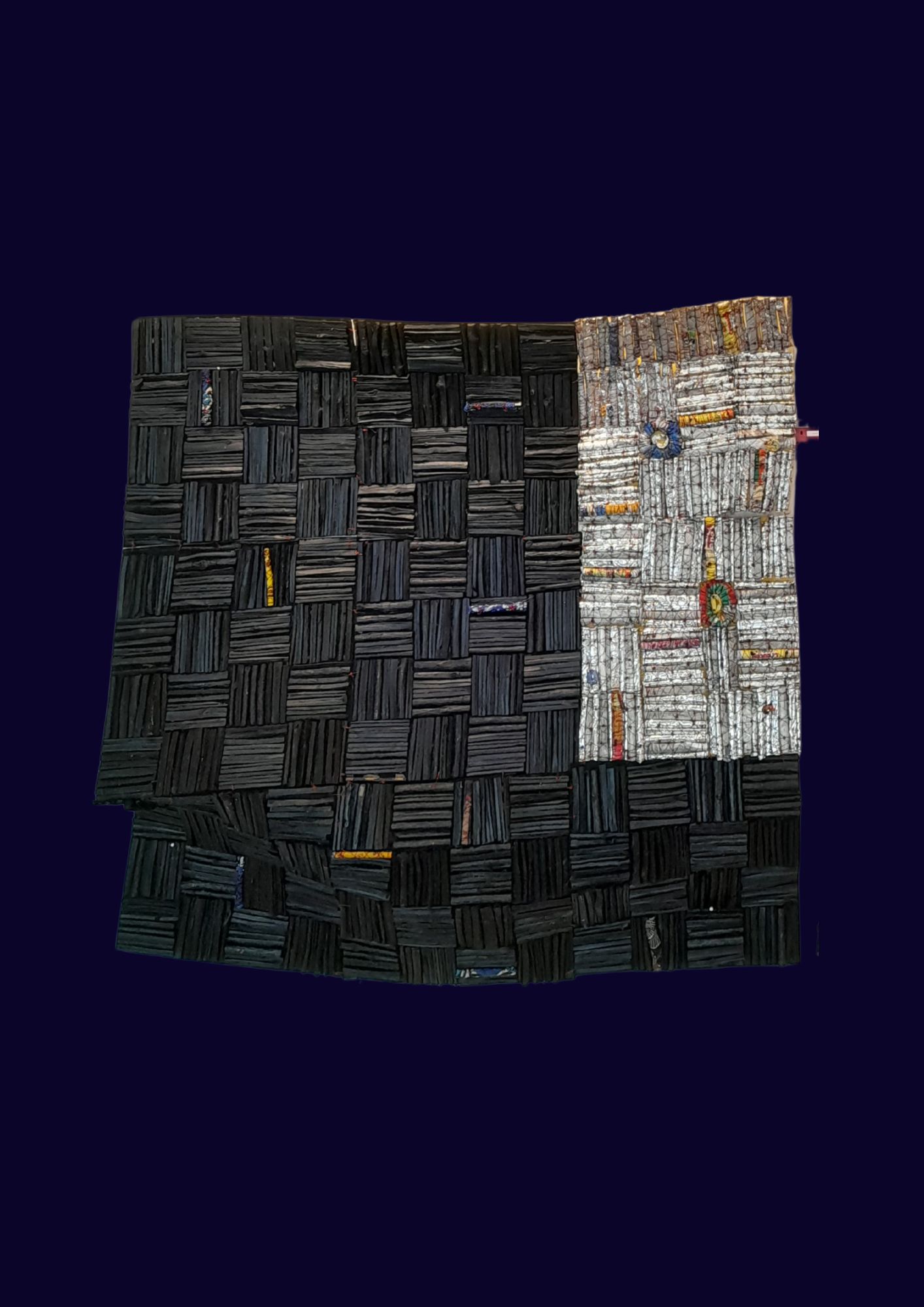
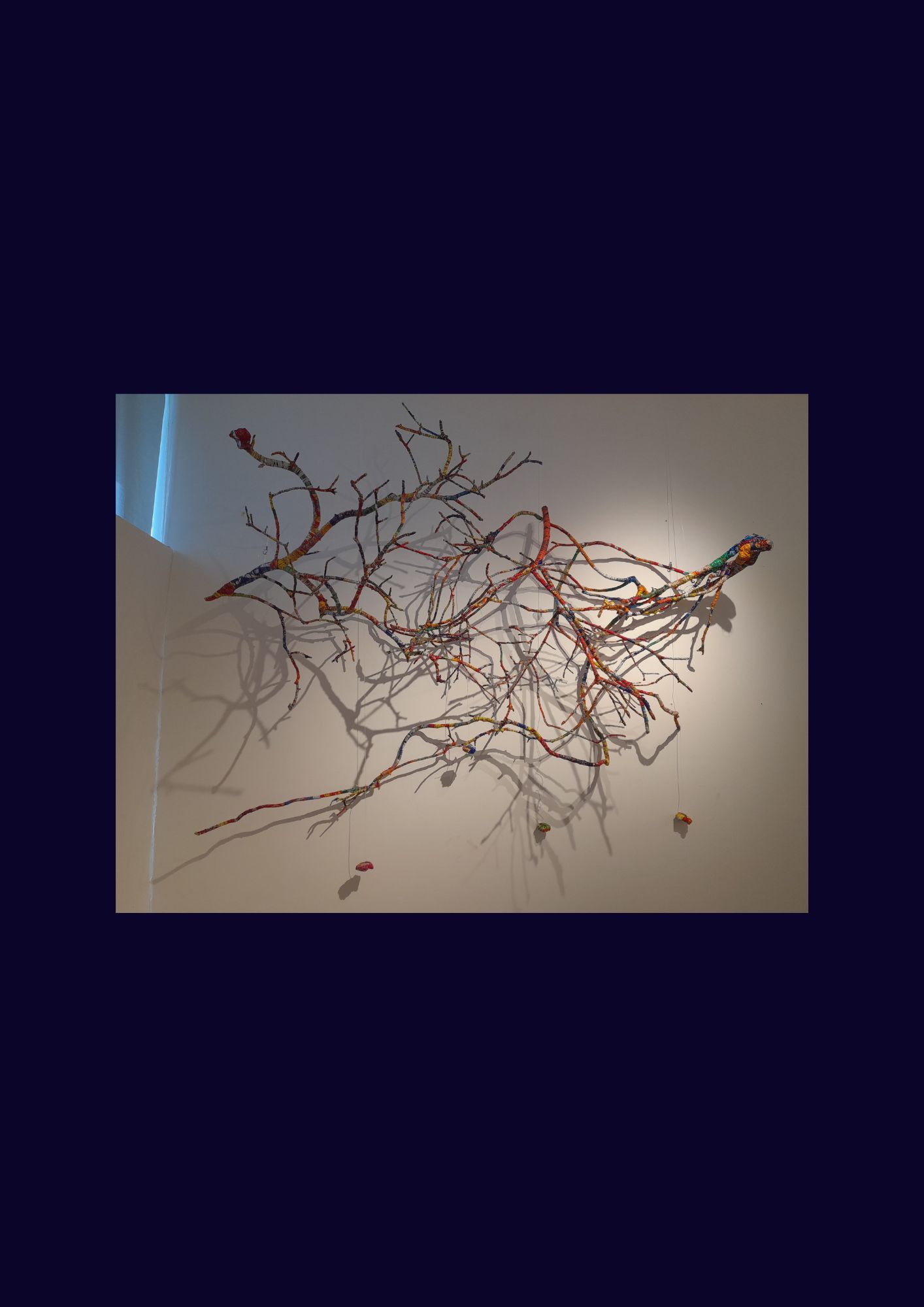
The Ẹ̀lú and Àtẹ series illustrate the culture of Àdìrẹ production and its sales, the final stage of the production cycle. While tie-and-dye is a global textile art that now heavily relies on chemicals like synthetic dye, hydrosulphite, and caustic soda, the Egbas historically relied on Ẹ̀lú leaves as their primary source of indigo dye. The use of Ẹ̀lú is deeply rooted in Egba Àdìrẹ making that there was once an entire village called Kemta Elelu which dedicated solely to its cultivation. Beyond reflecting deep cultural heritage, the indigo color of Ẹ̀lú symbolises wealth and status. Worn by the affluent to project prestige, this grand display of indigo is prominently seen during the annual Lisabi Day celebrations of the Egba people.
Tejuoso's style in the Ẹ̀lú series showcases the patterns of typical Àdìrẹ Ẹlẹ́kọ designs, and his production process mimics the approach of the Itoku women. Pattern making is one of the most crucial stages in Àdìrẹ production, a meticulous process visible deep within the Itoku market.
Artist Note
To mirror the dedication of these artisans, Tejuoso uses copper wire (representing the raffia leaf) to bind wrapped sticks, and glue (representing wax and Ẹ̀kọ) to painstakingly affix each stick to the platform. This time-consuming effort in the Ẹ̀lú series symbolises the immense labor Itoku pattern makers invest in their craft.
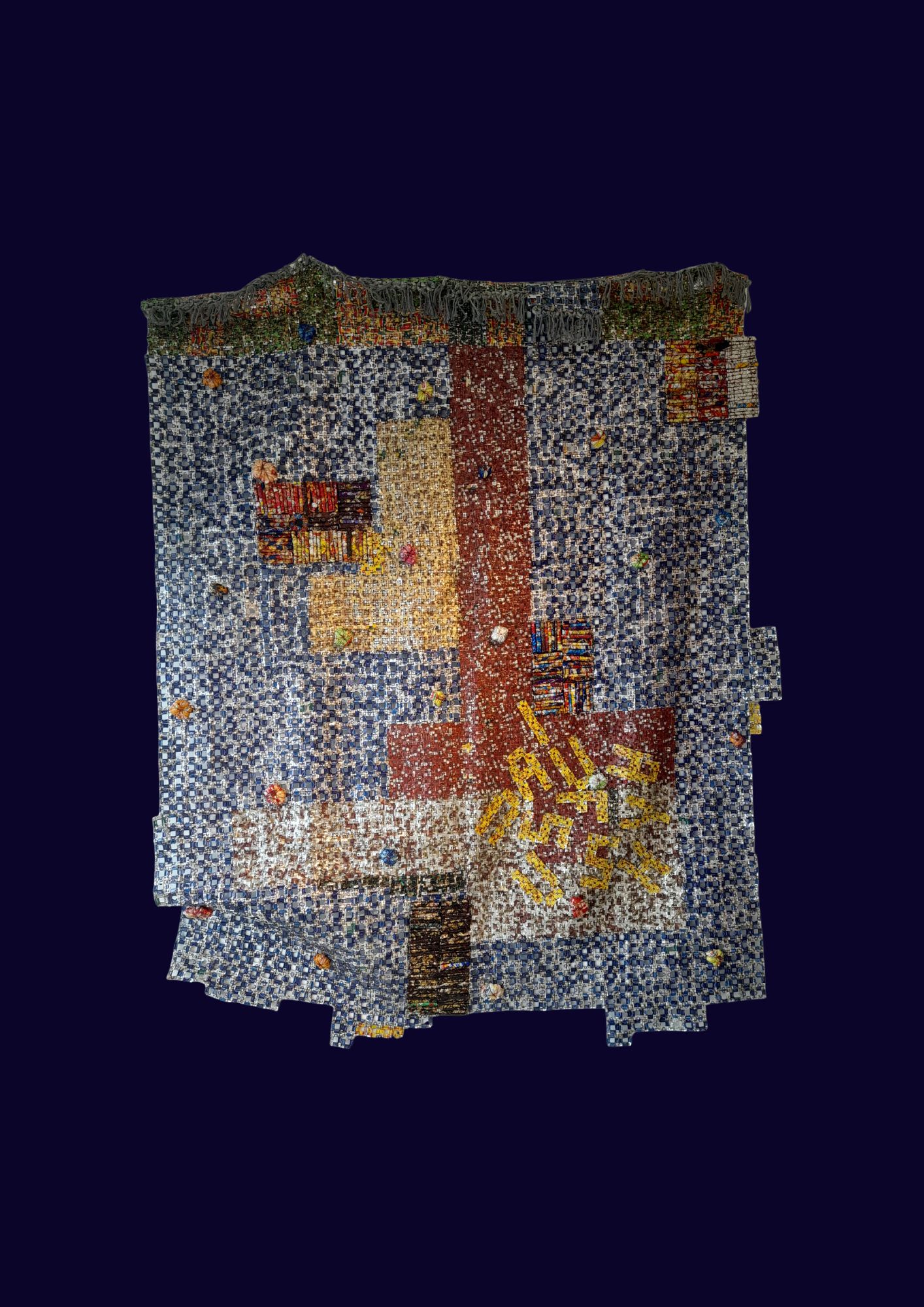
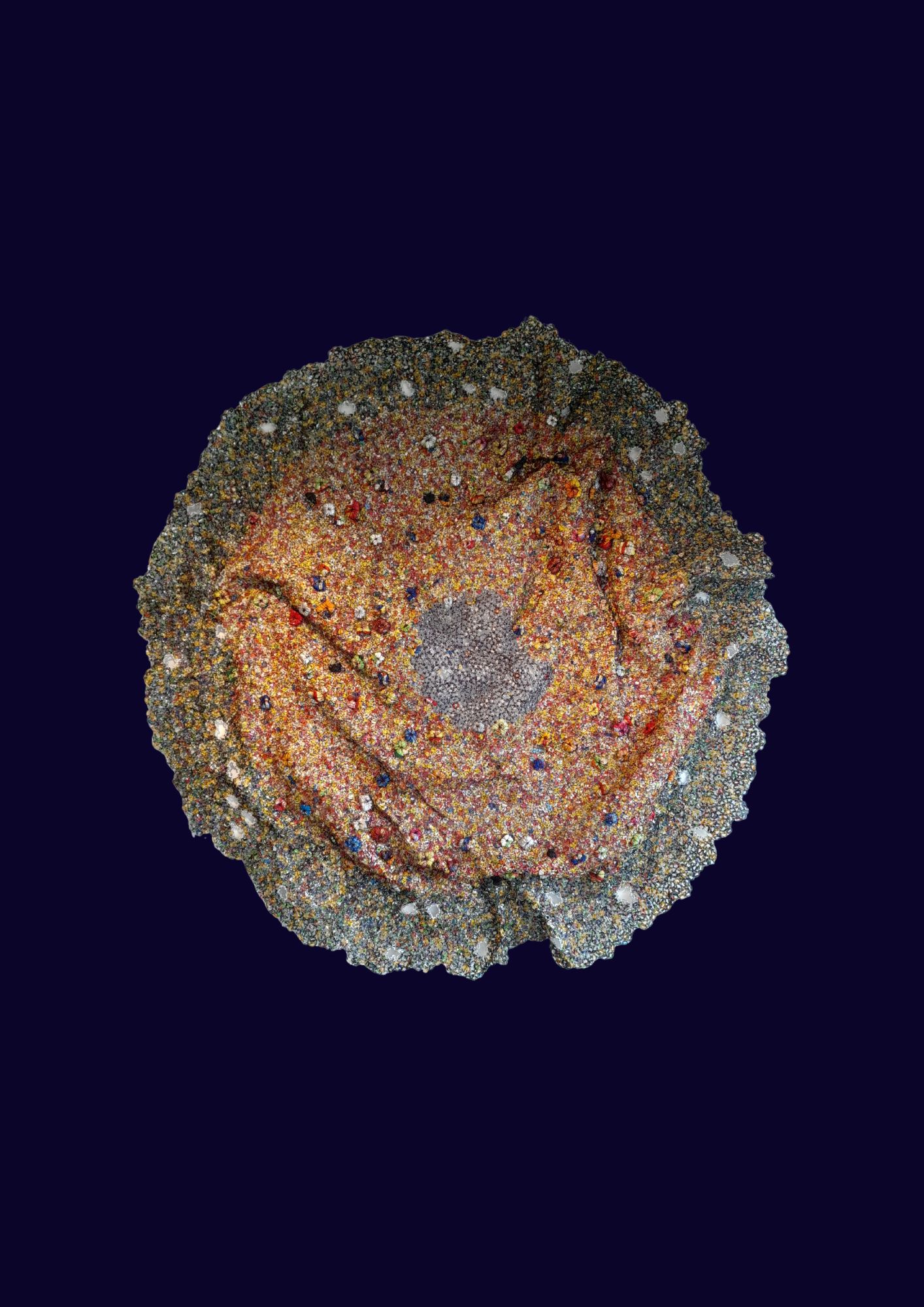
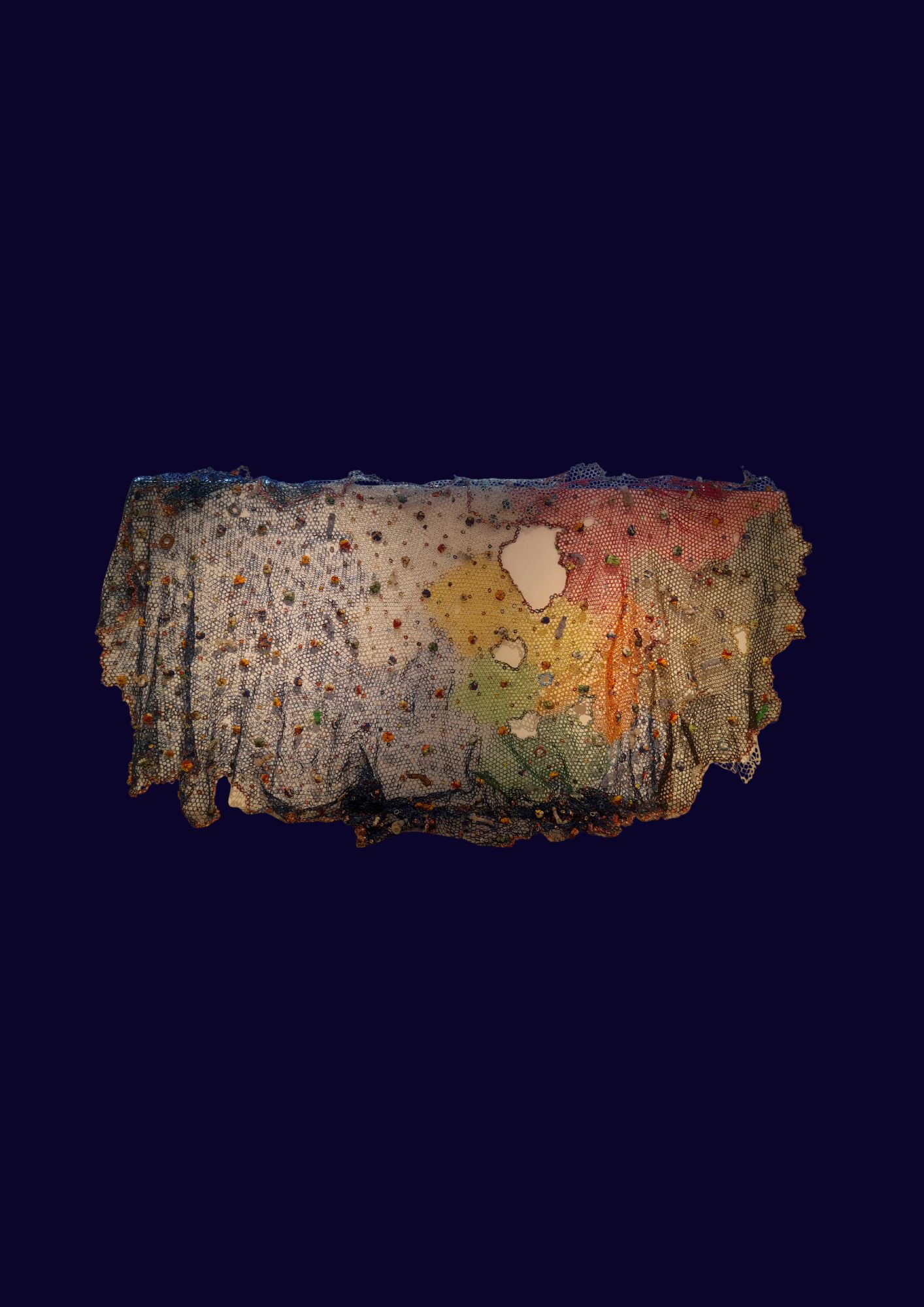
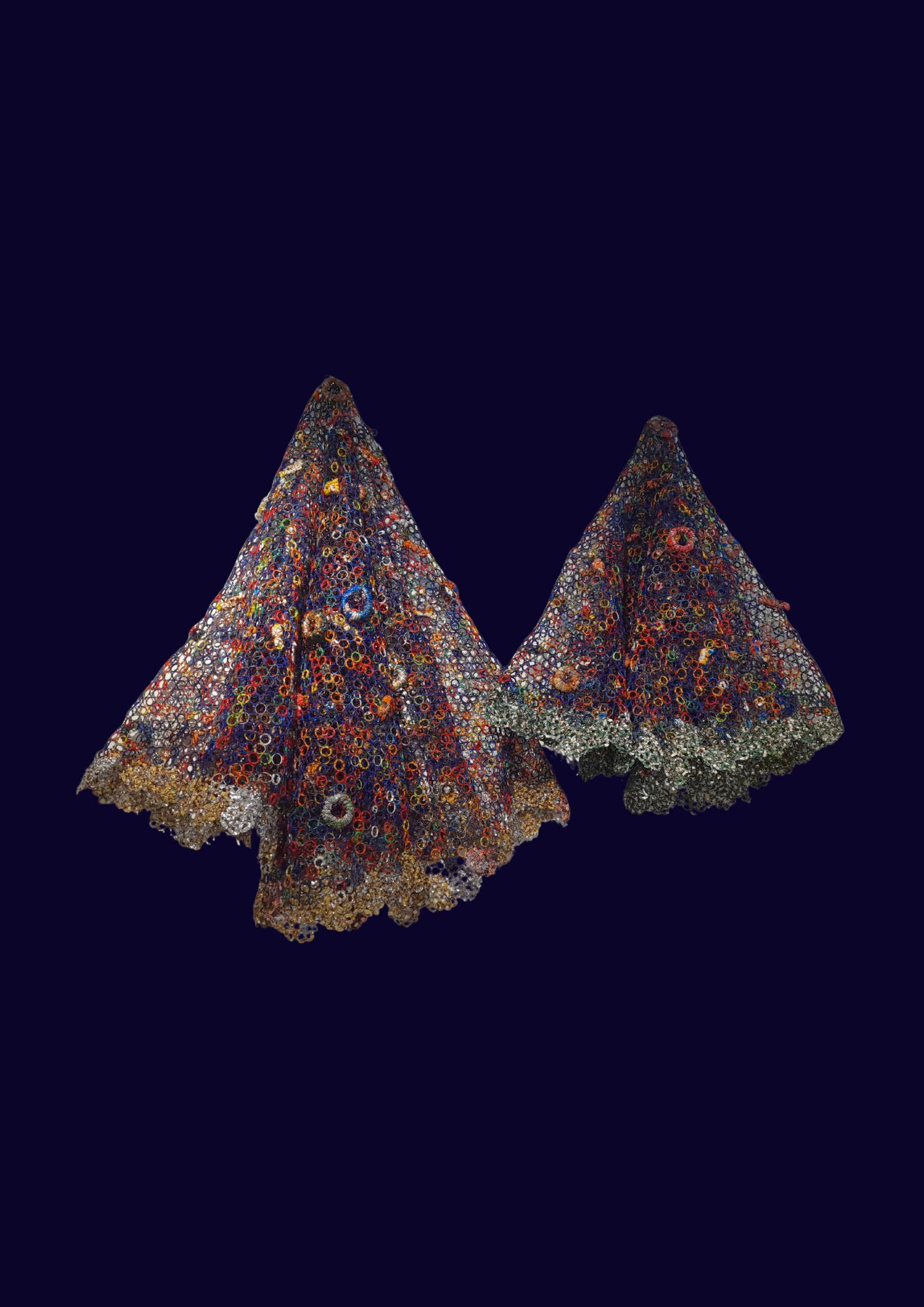
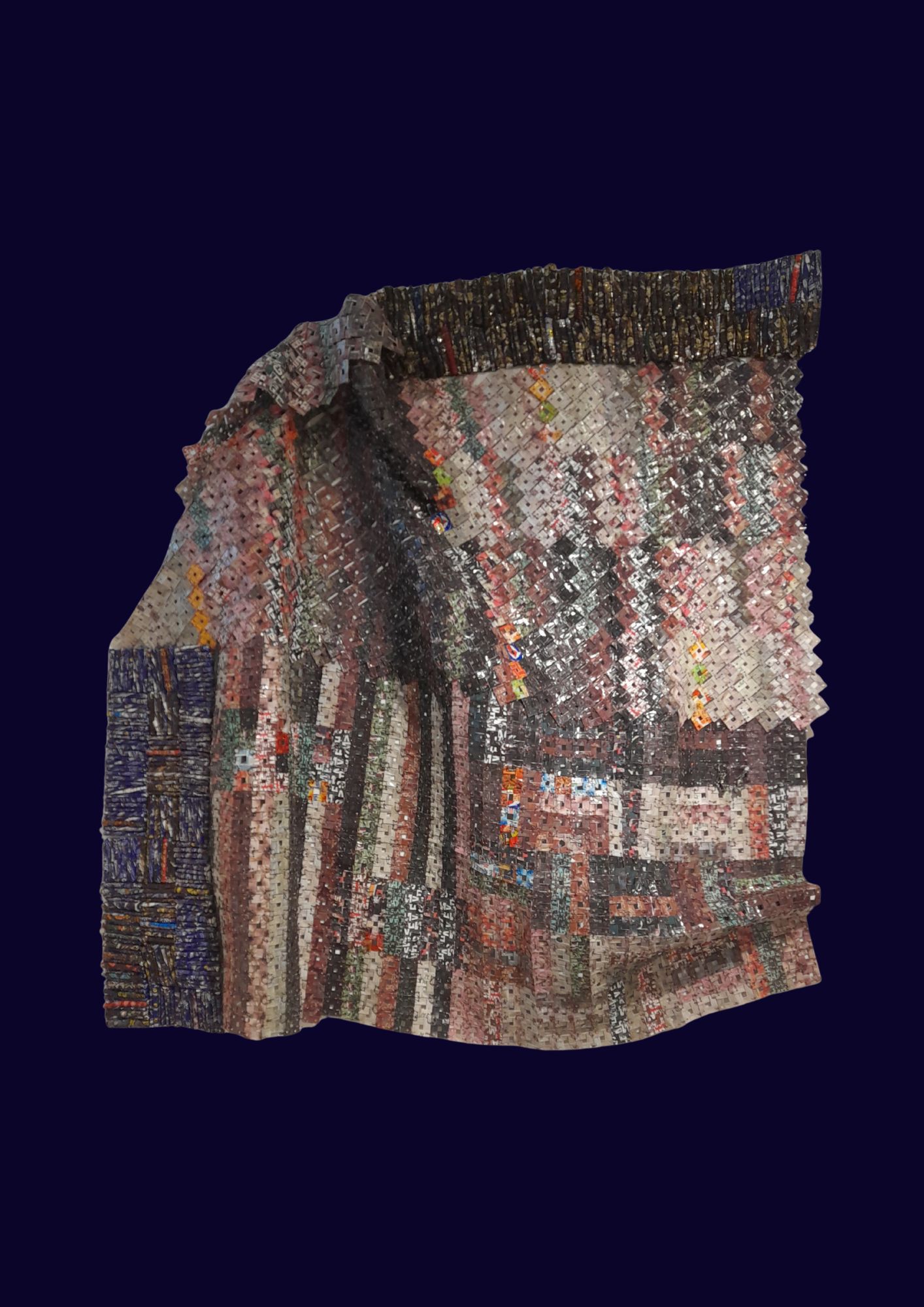
The Àtẹ series, on the other hand, was inspired by his mother's market stall. The artworks in this series are created entirely from the discarded packaging of the very groceries displayed by an Ìyá alátẹ’s plastic bottle caps, alcohol and biscuit wrappers, sweet wrappers, pure water sachets, and more. Beyond the use of grocery materials, a detailed view of the artwork mimics the visual display of Àdìrẹ fabrics in the Itoku market, with each stick resembling neatly stacked textiles.
In commerce, consumption is the final stage of production. Therefore, one cannot fully celebrate Àdìrẹ production without acknowledging the Àtẹ, which embodies the vital sales and marketing ingenuity of the Àdìrẹ makers.
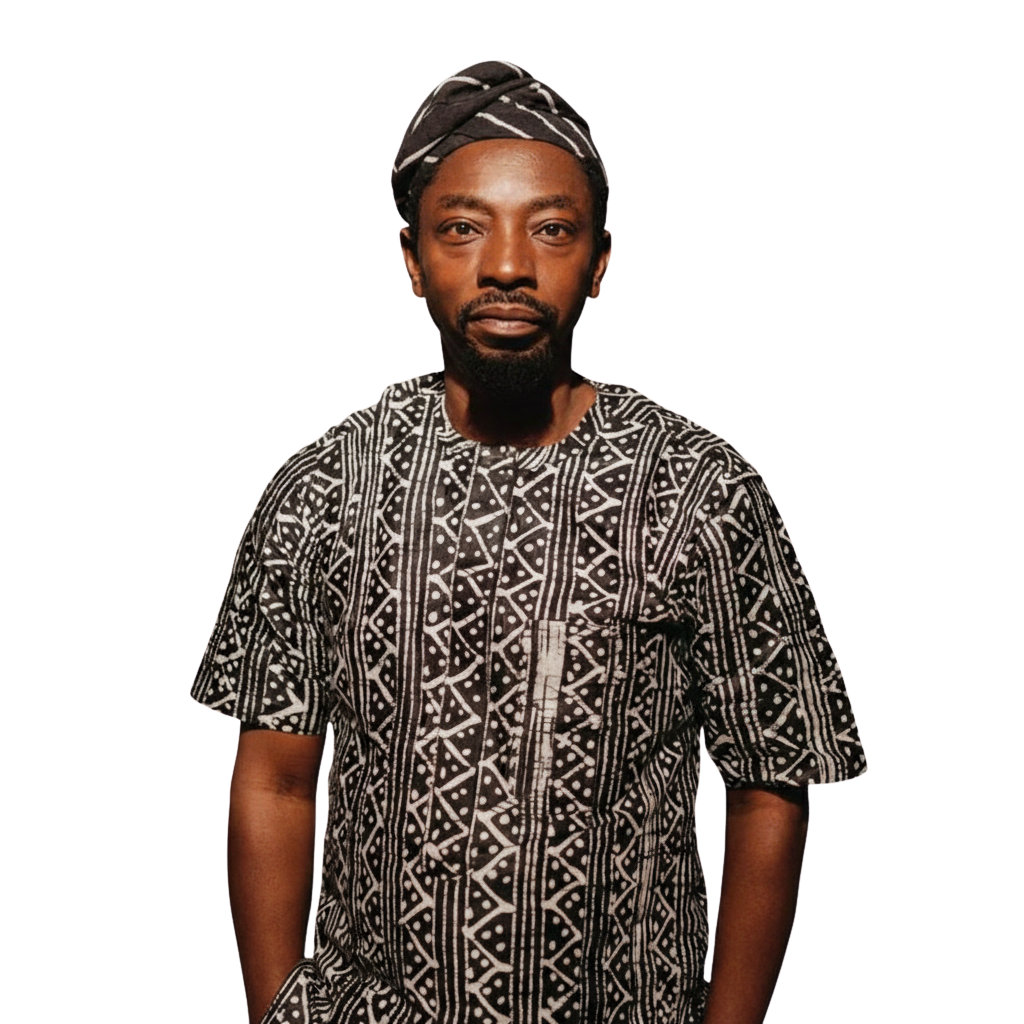
The Artist: Olanrewaju Tejuoso
Tejuoso is the founder and curator of Aroko Green Museum, Abeokuta, a community-based art and ecology initiative that merges creative practice with environmental advocacy. Working primarily with water sachets, polythene bags, biscuit wrappers, and other consumer waste, he reclaims materials sourced from domestic and public waste sites, reconfiguring them into immersive installations that speak to sustainability, climate change, and adaptation.
His process is both methodical and symbolic: materials are collected, cleaned, sorted, and reorganised by colour, texture, and volume before being woven, stitched, tied, or wrapped into two- and three-dimensional forms. These works often hang, sprawl, or cascade into architectural space, functioning as visual metaphors for ecological accumulation and excess. He describes this philosophy as "From Waste to Life," a practice inspired by the biblical passage 1 Corinthians 1:28, which reflects his interest in redemption, transformation, and overlooked value.
Tejuoso holds a degree in Fine Art Education from the University of Nigeria, Nsukka, and has exhibited extensively across Nigeria and internationally, including presentations in Senegal, Cuba, Indonesia, Cameroon, Italy, Russia, and the United States. His work has featured in major platforms such as Dak'Art Biennale, Havana Biennale, Biennale Jogja, and Imago Mundi. He has undertaken artist residencies in Philadelphia, Yogyakarta, Douala, and Abeokuta, and his works are held in institutional collections including the Museum of Black Civilizations, Dakar, and the Yemisi Shyllon Museum of Art, Lagos. In 2018, he received the Prix Revelation Award at Dak'Art 13 Biennale. Tejuoso lives and works in Abeokuta, Nigeria, where his practice continues to engage material transformation as both an artistic and ecological act.
The Collection
Exhibition Catalogue
Each work is rendered alongside its specifications, inquiry portals, and downloadable QR code links for physical galleries.
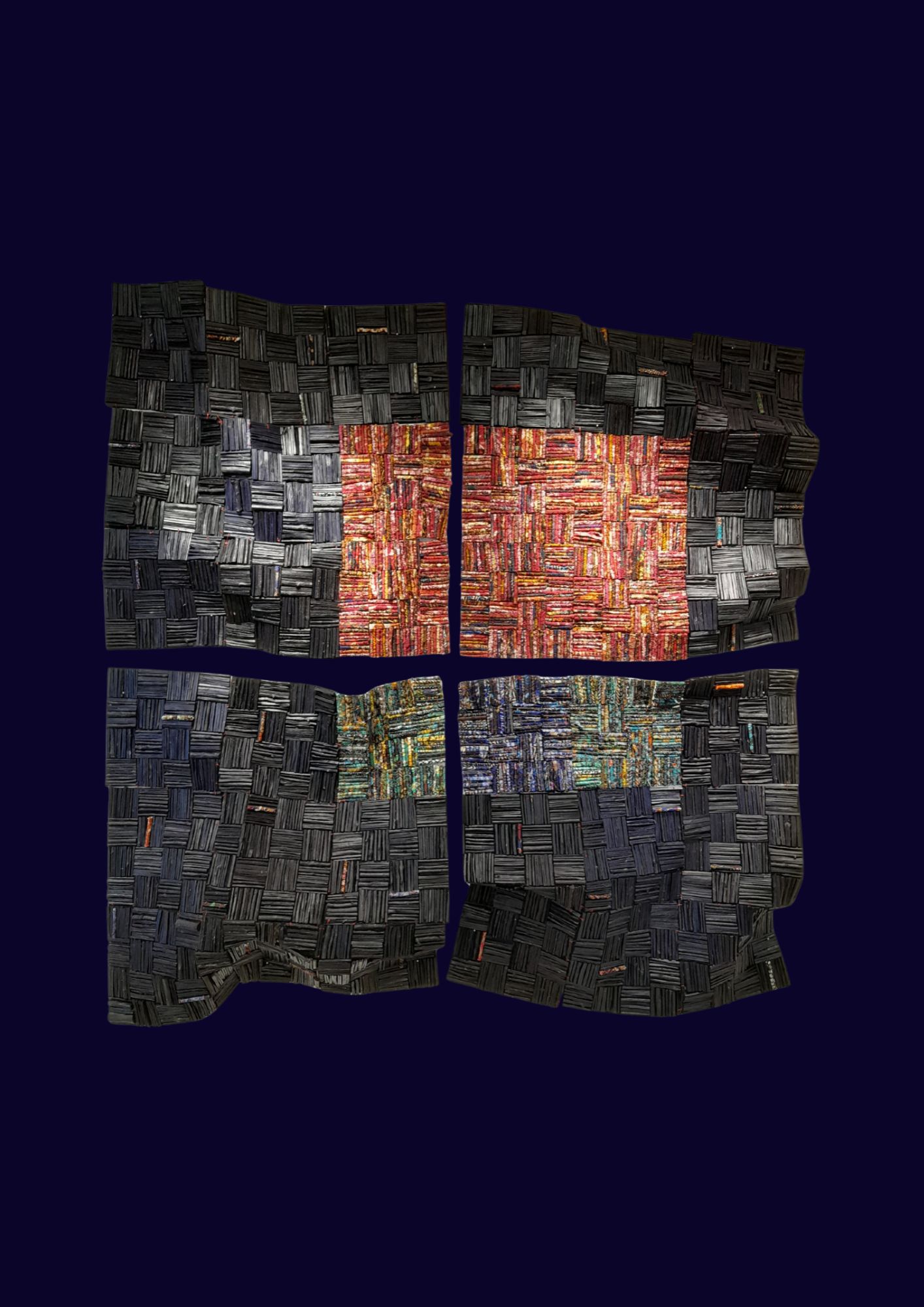
Elu 1
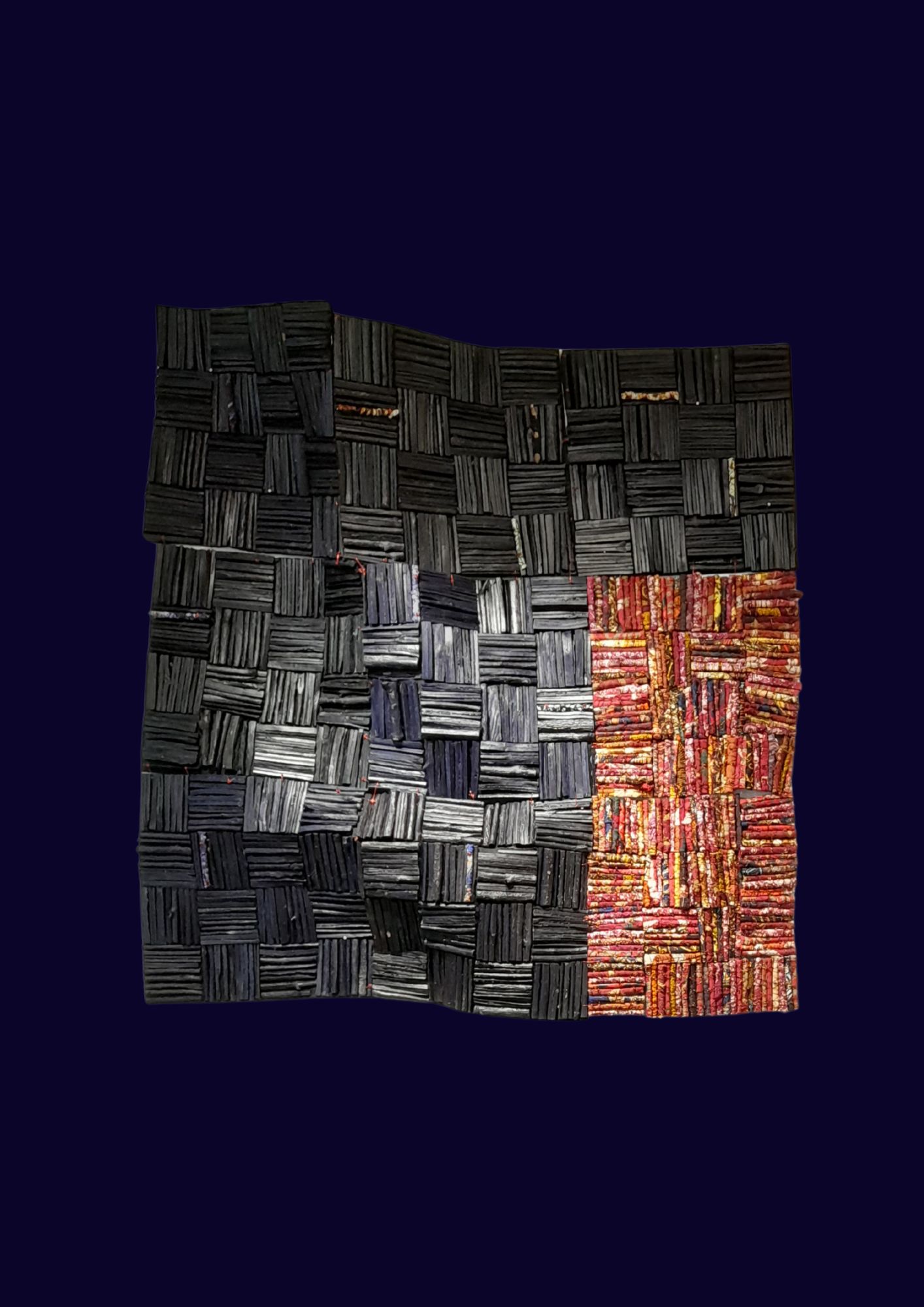
Elu 1 of 1
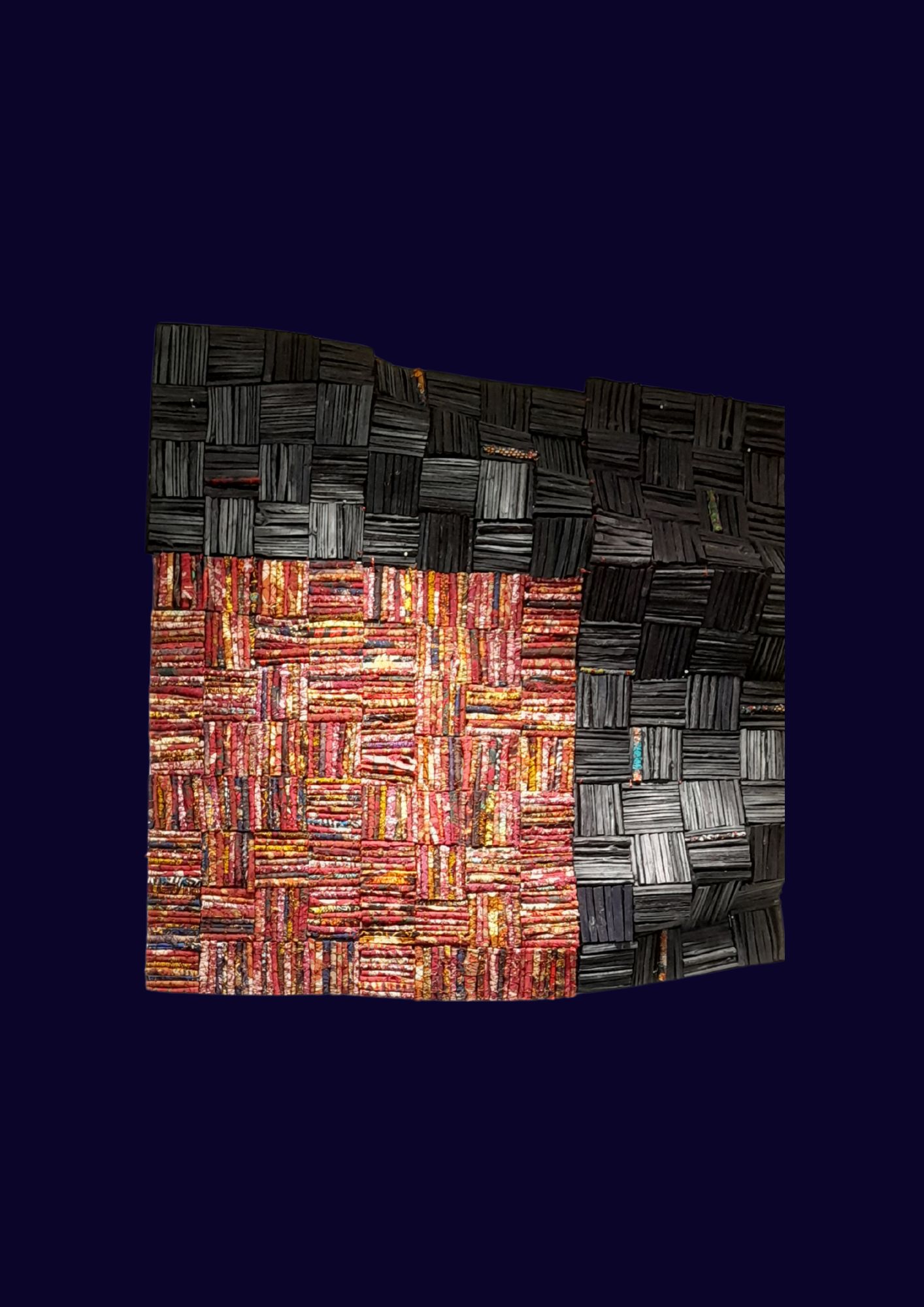
Elu 2 of 1
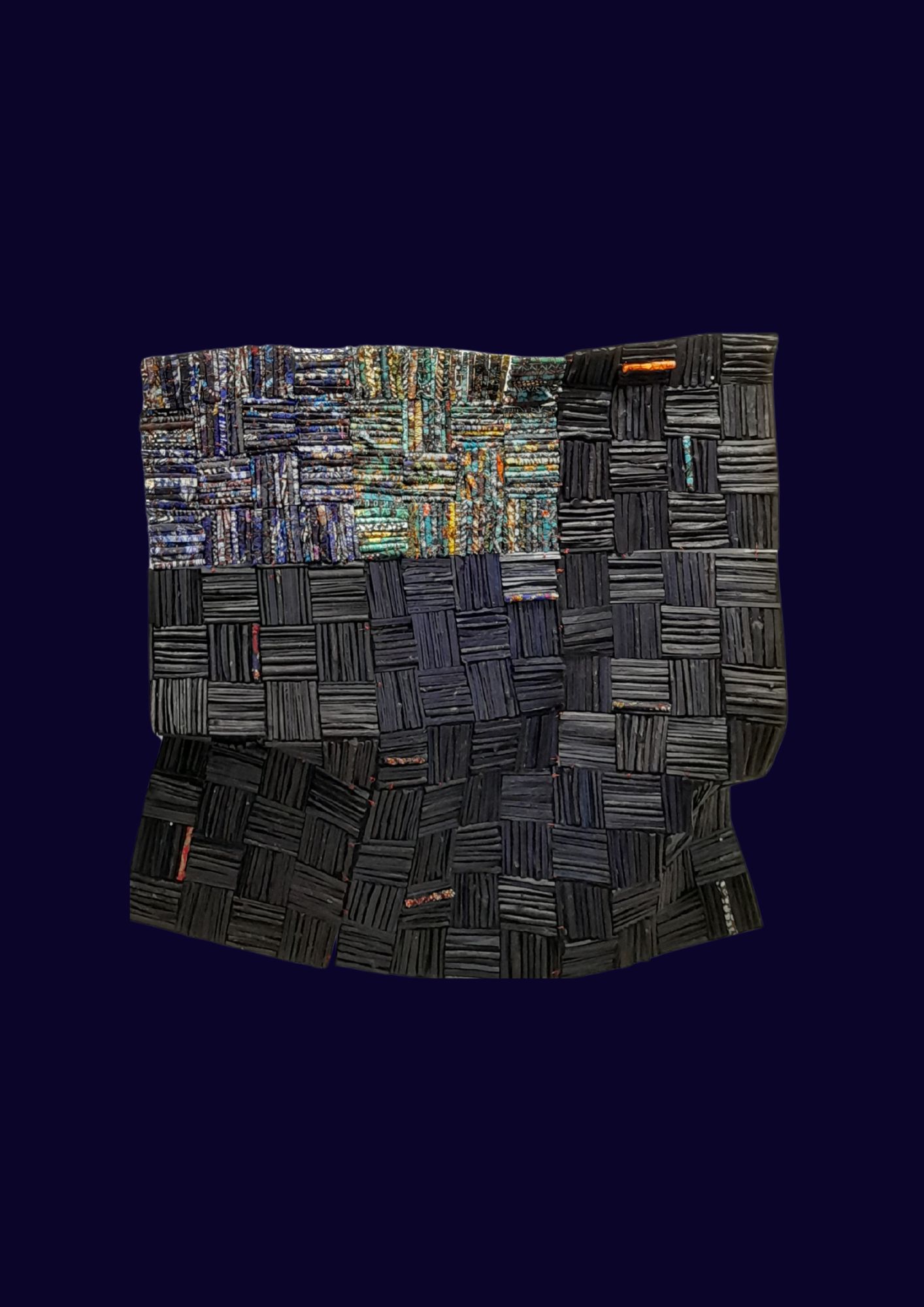
Elu 3 of 1
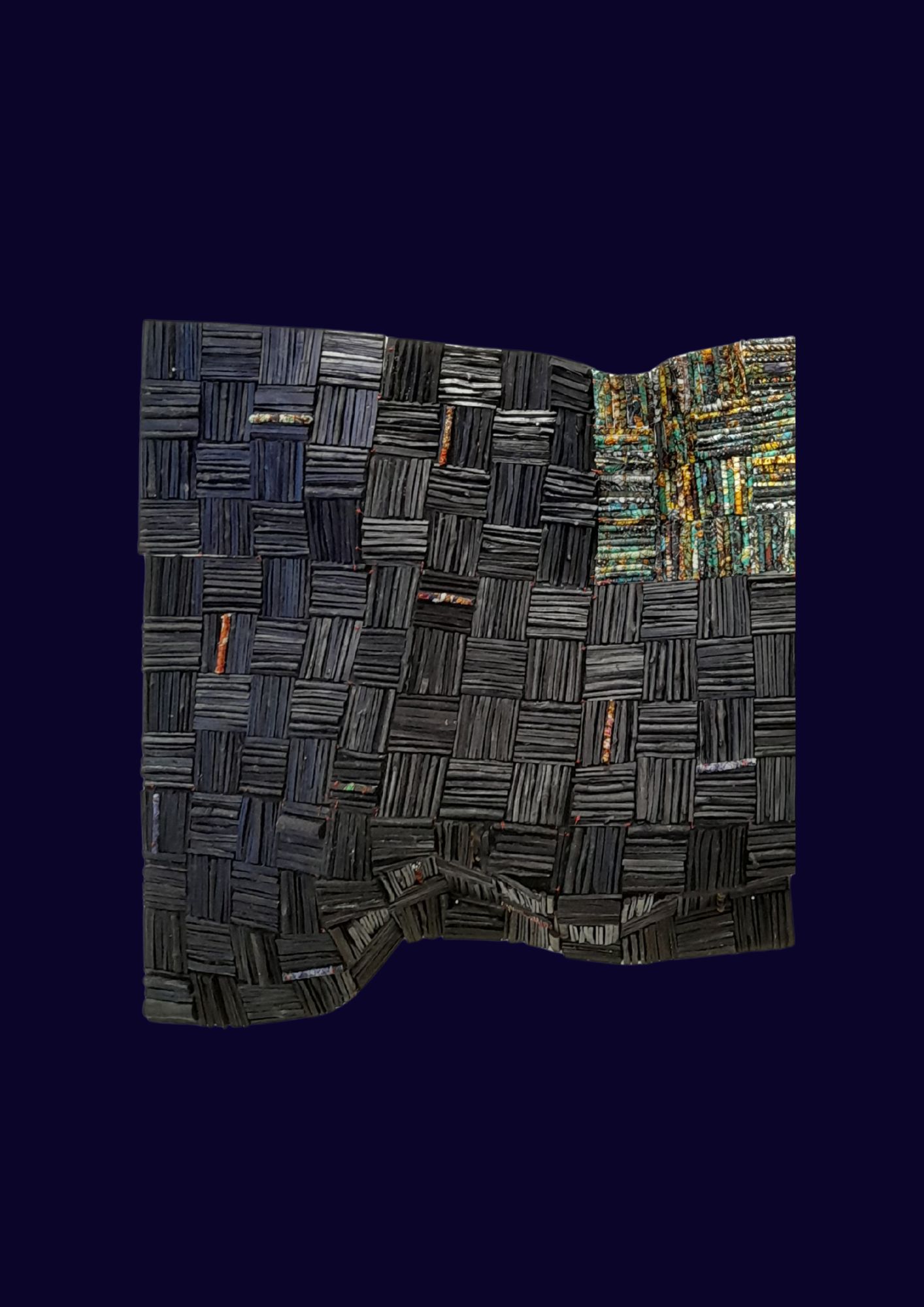
Elu 4 of 1
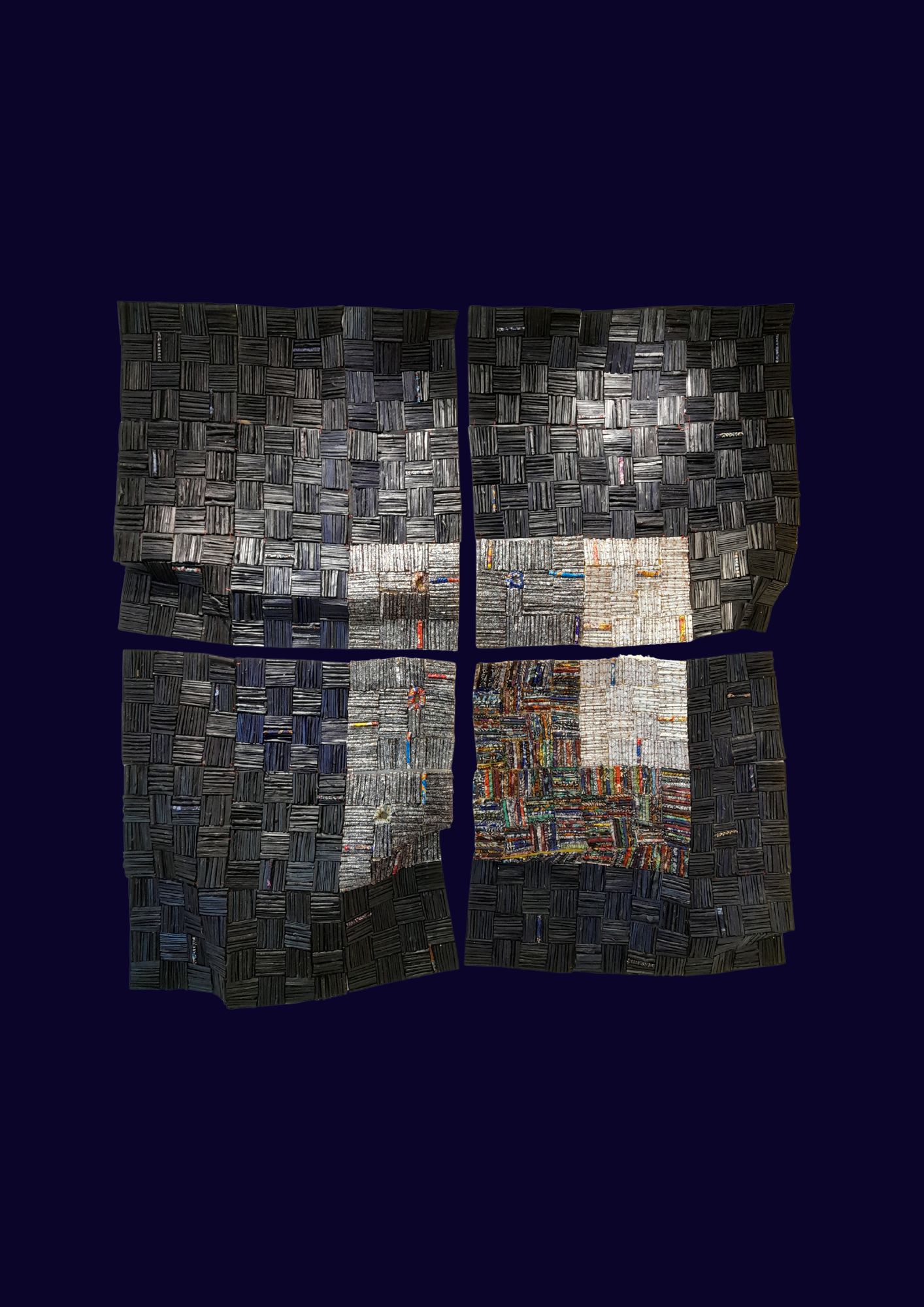
Elu 2
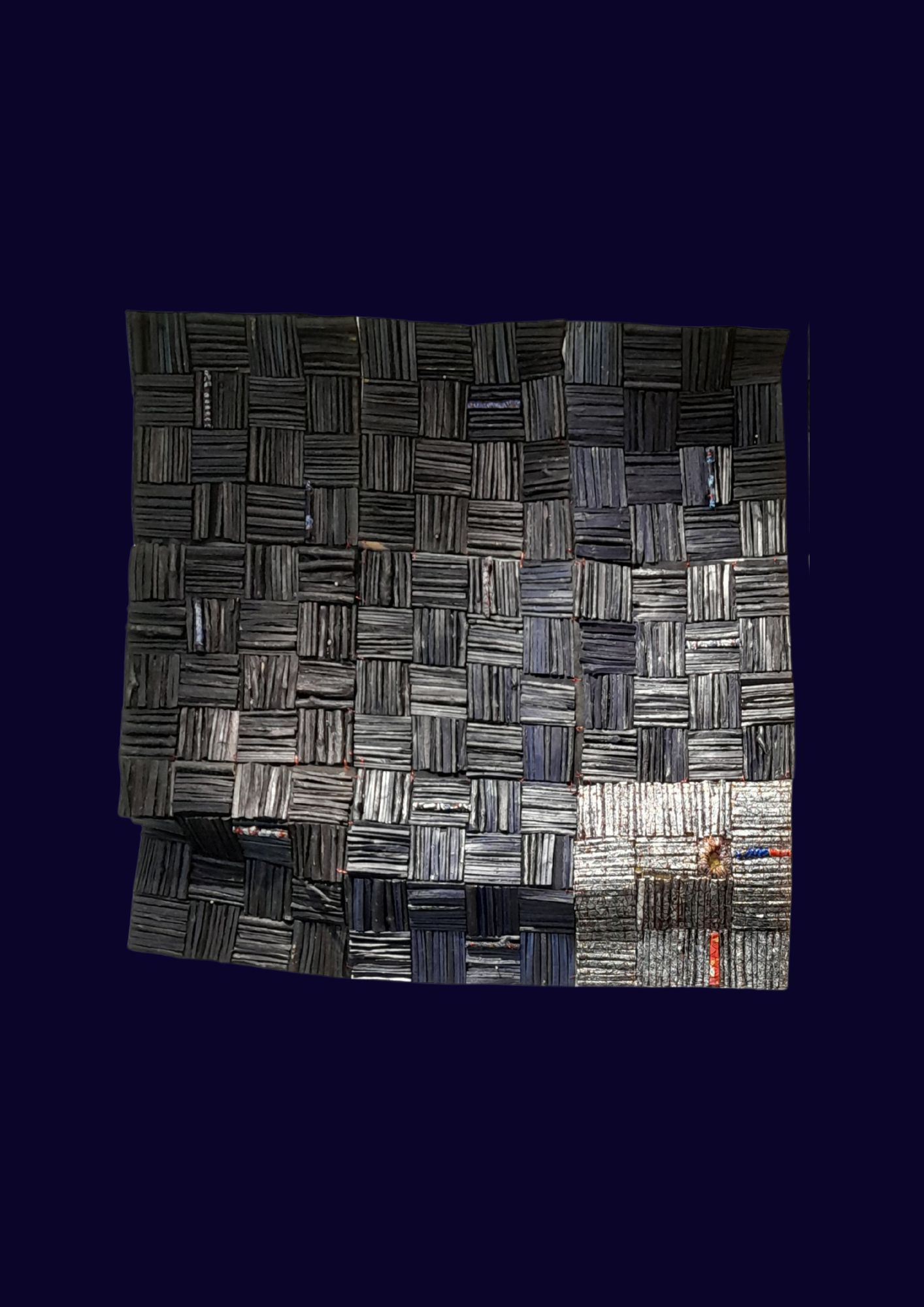
Elu 1 of 2
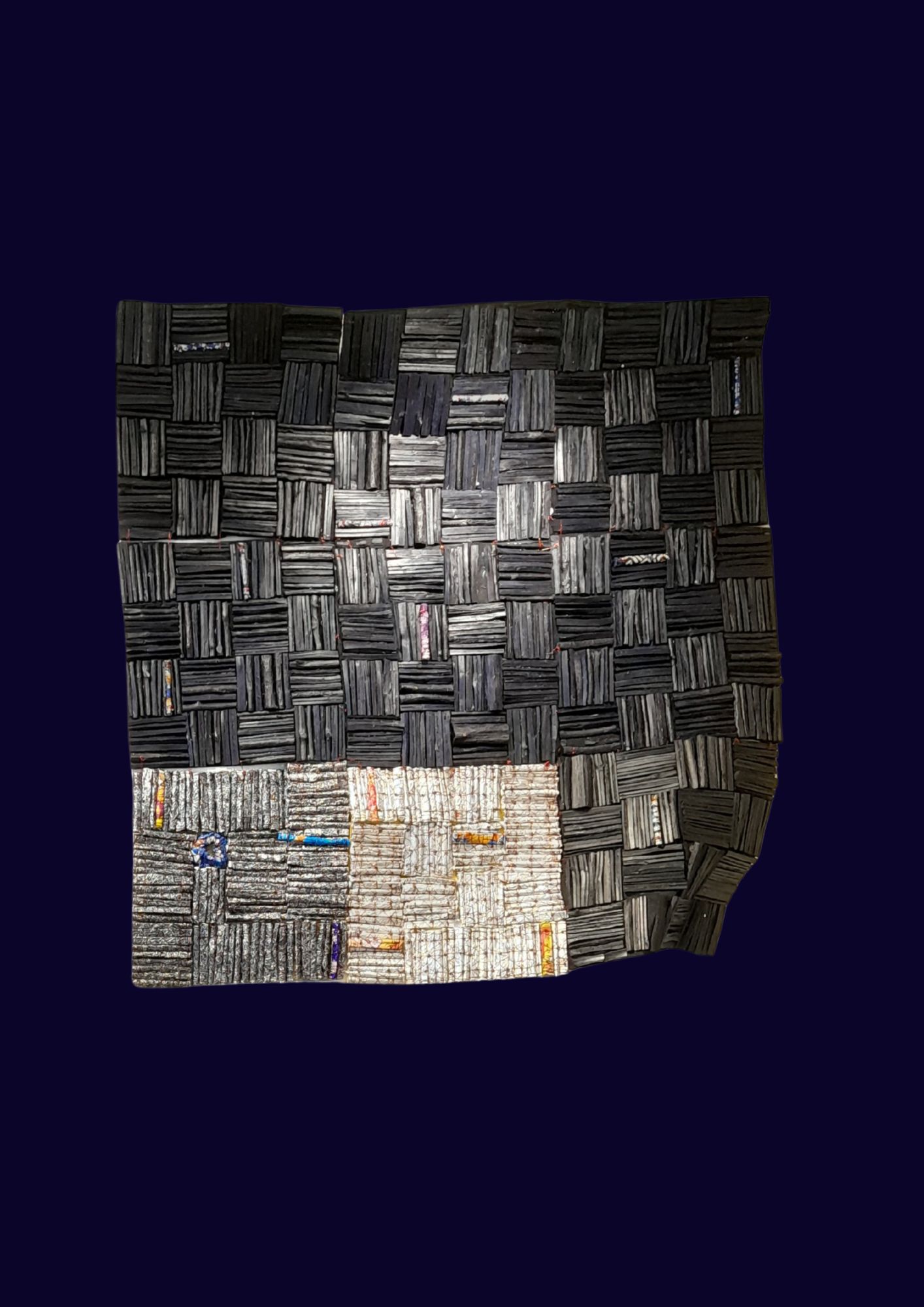
Elu 2 of 2
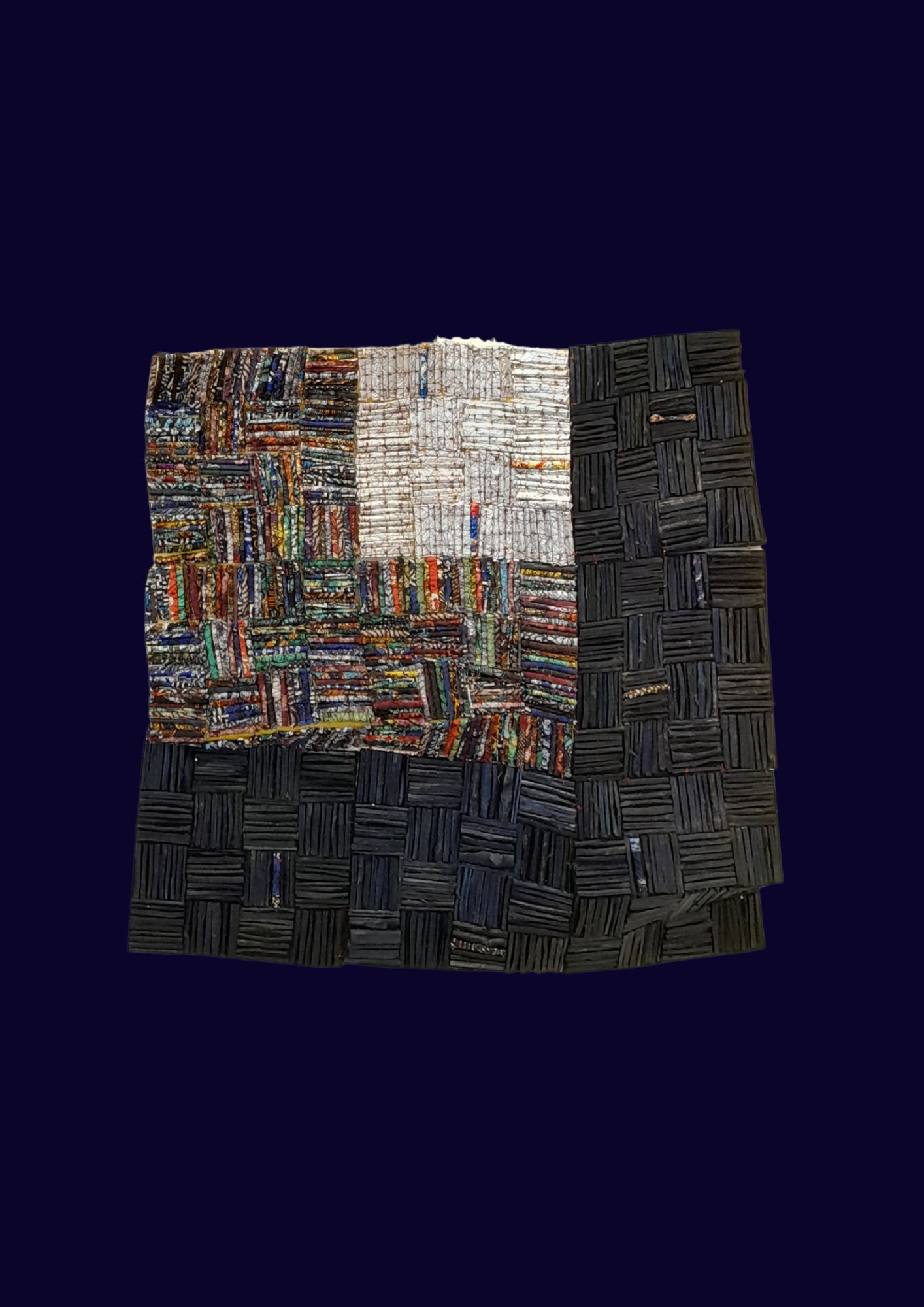
Elu 3 of 2
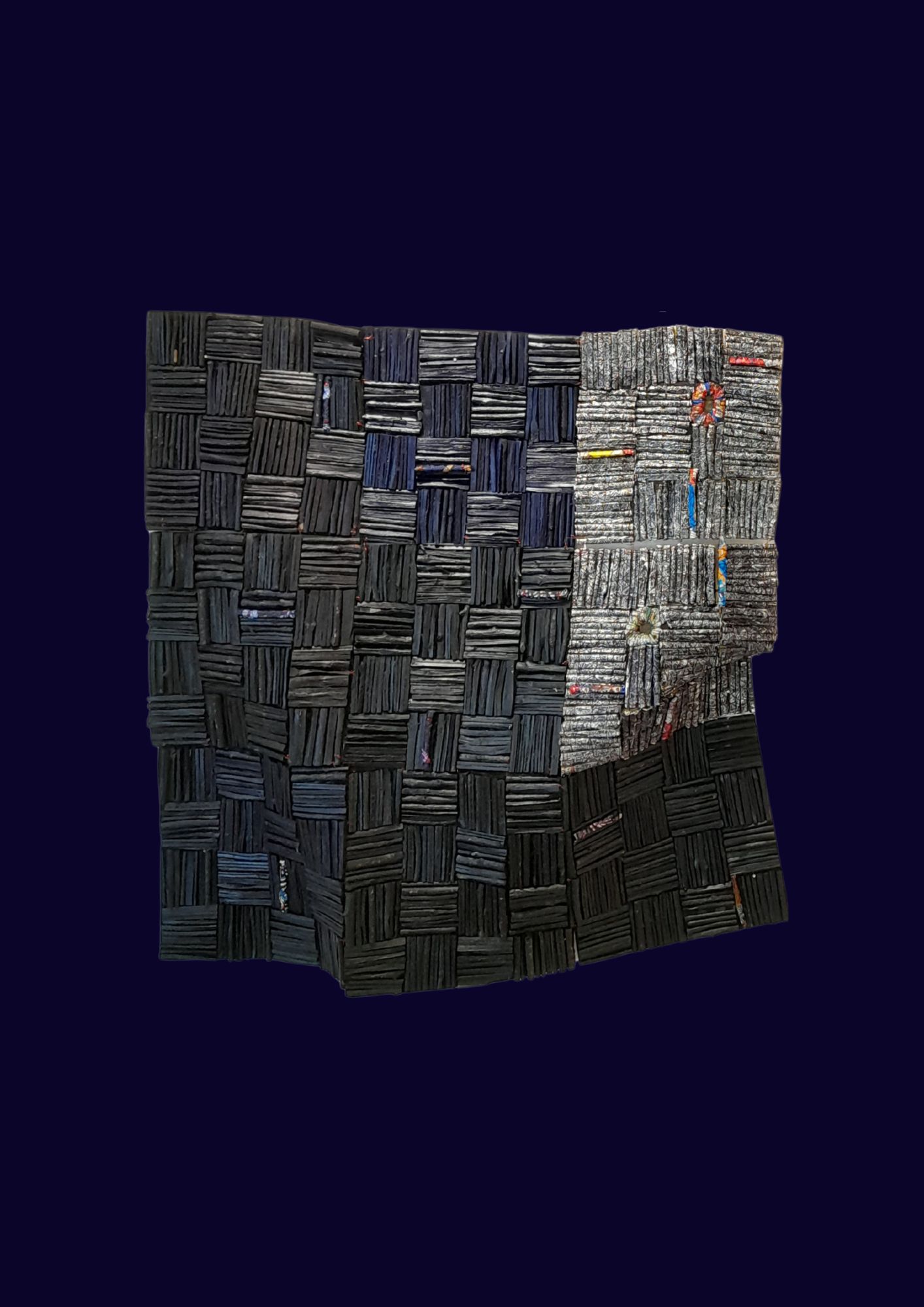
Elu 4 of 2
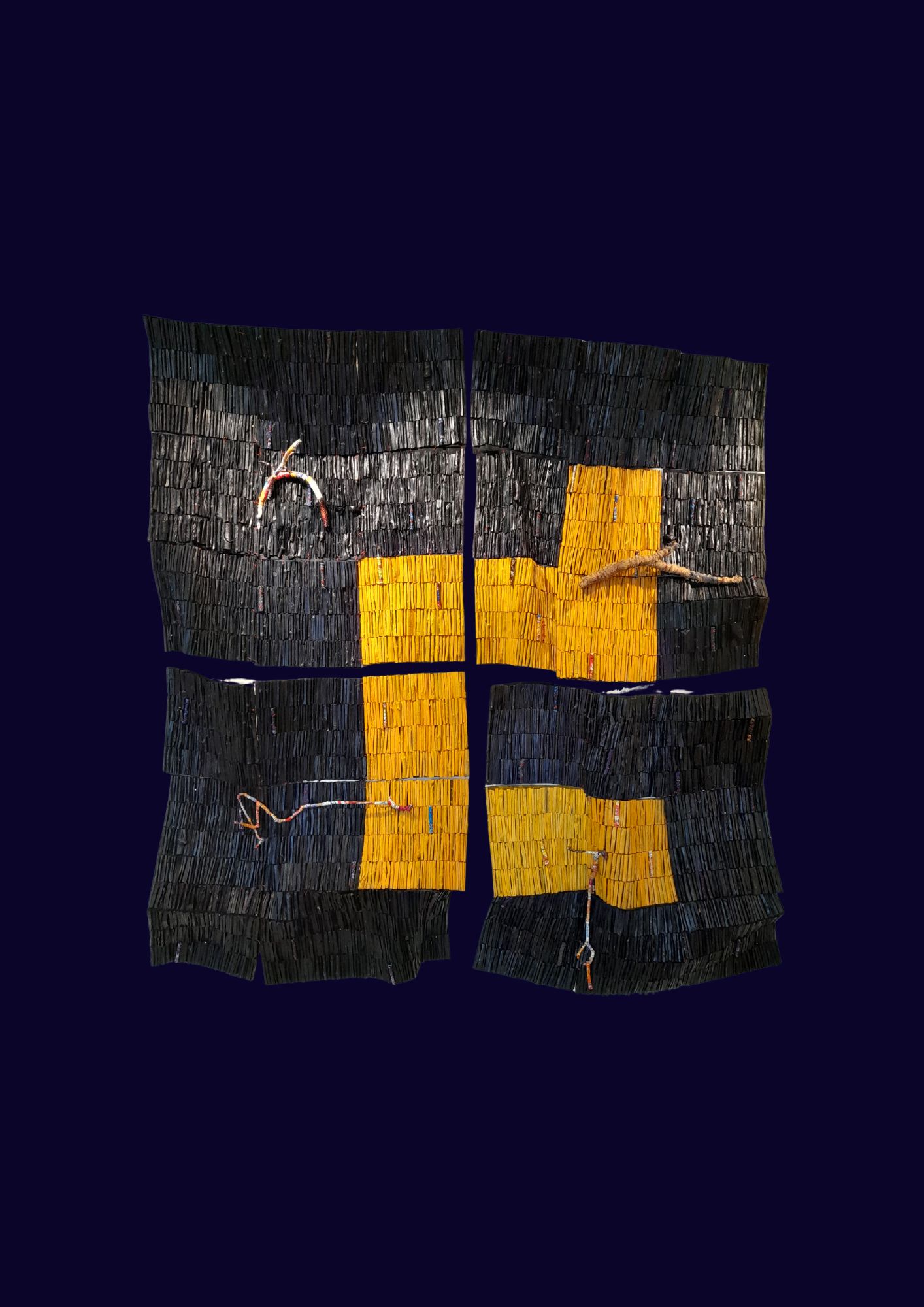
Elu 3
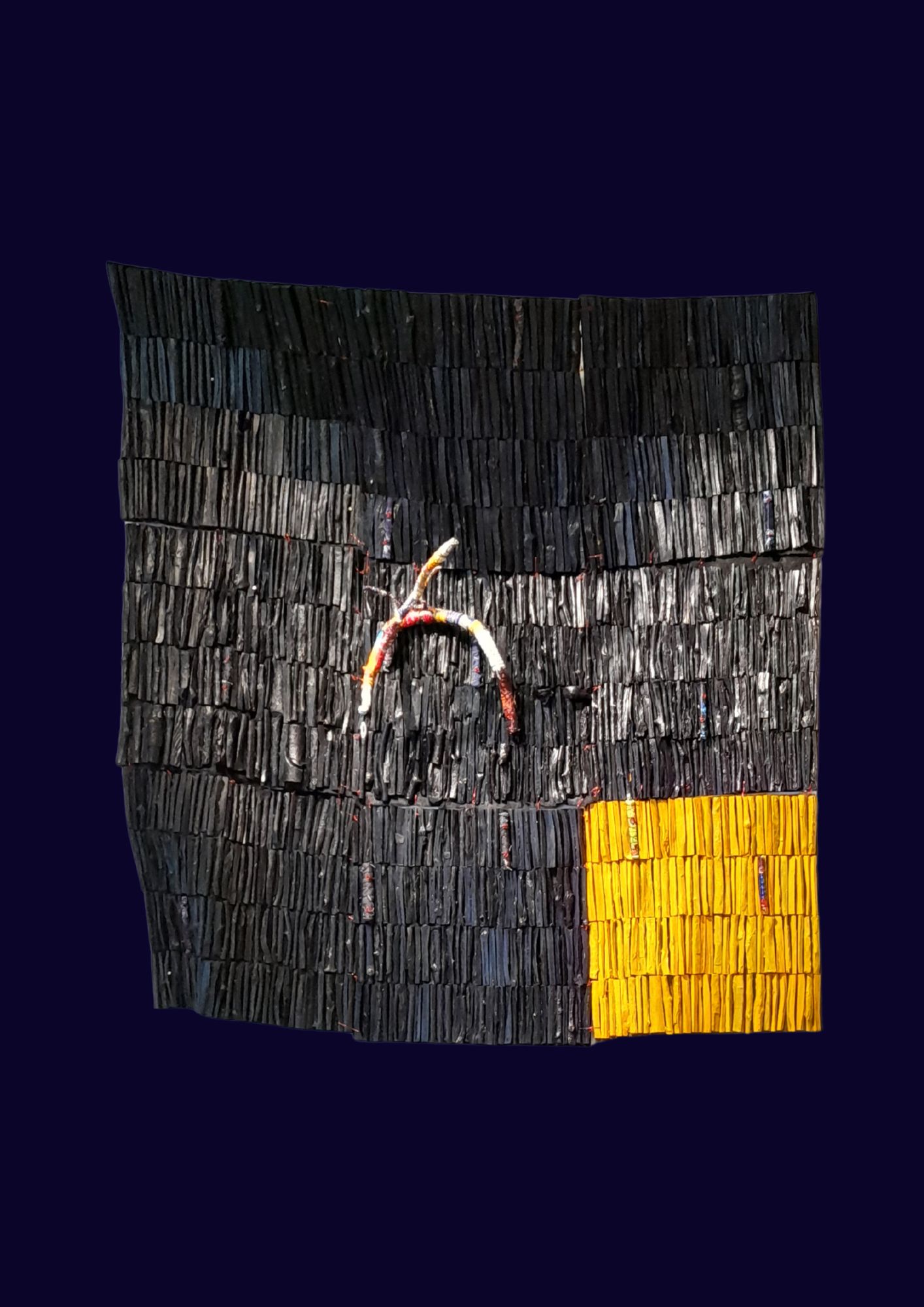
Elu 1 of 3
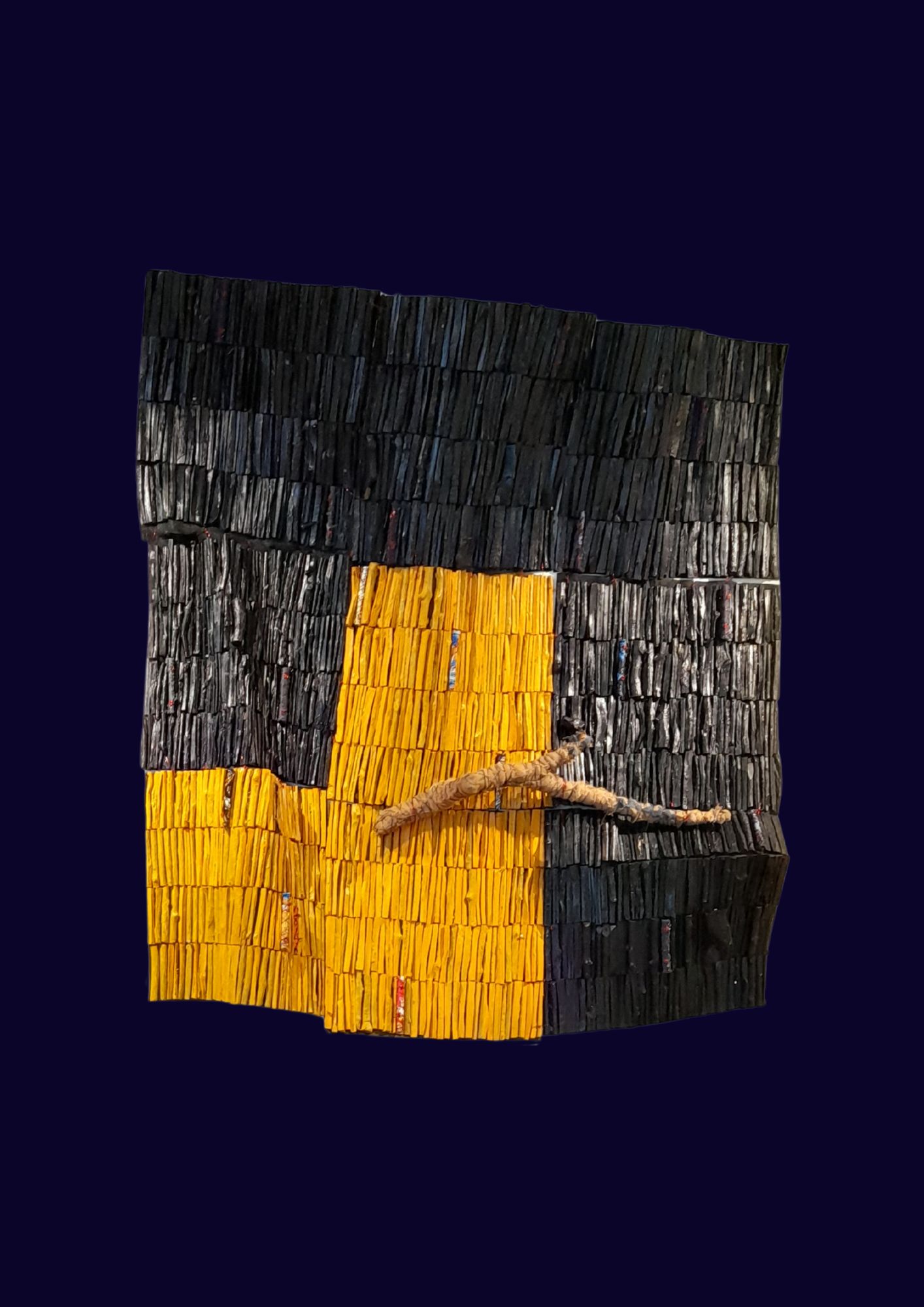
Elu 2 of 3
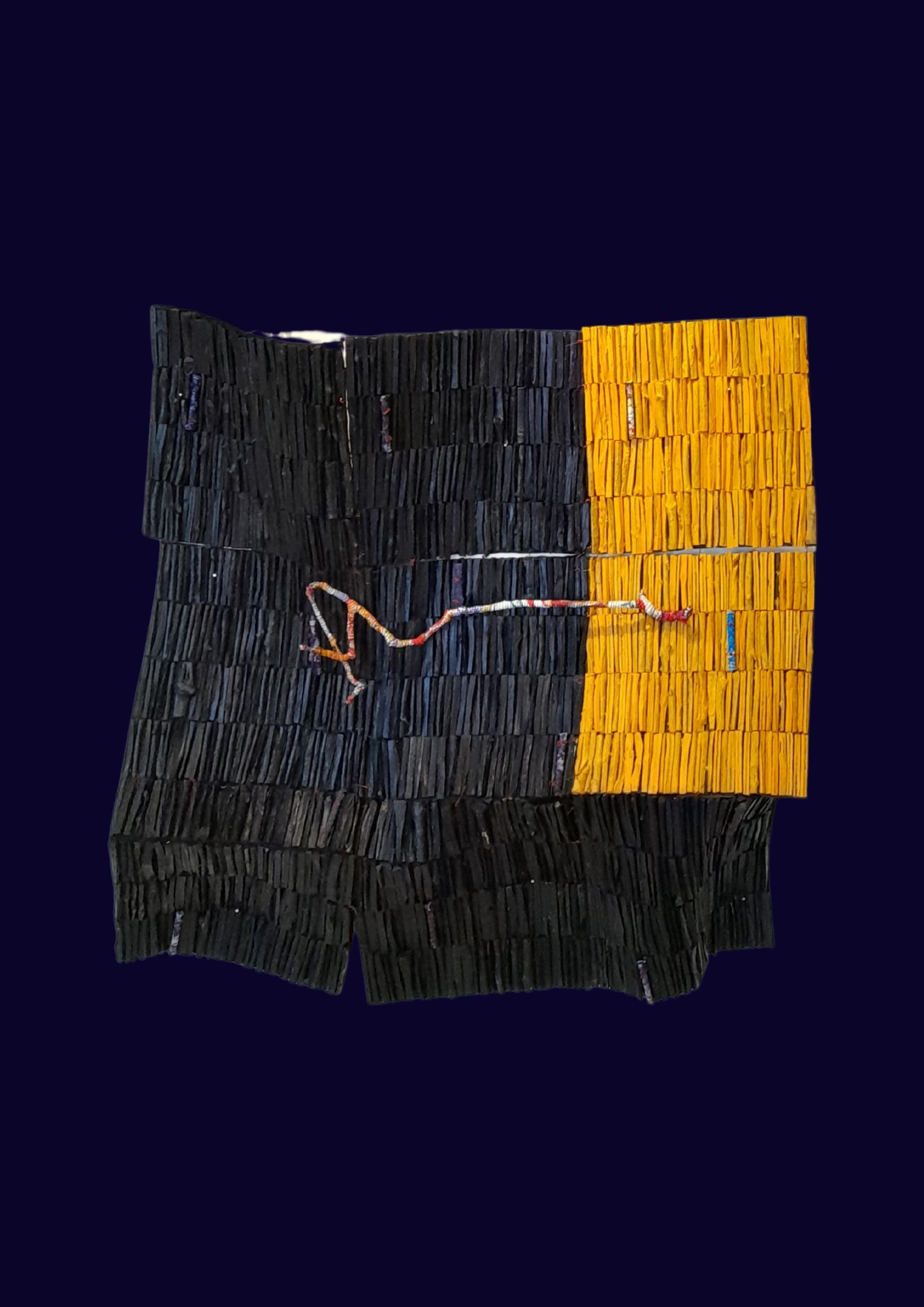
Elu 3 of 3
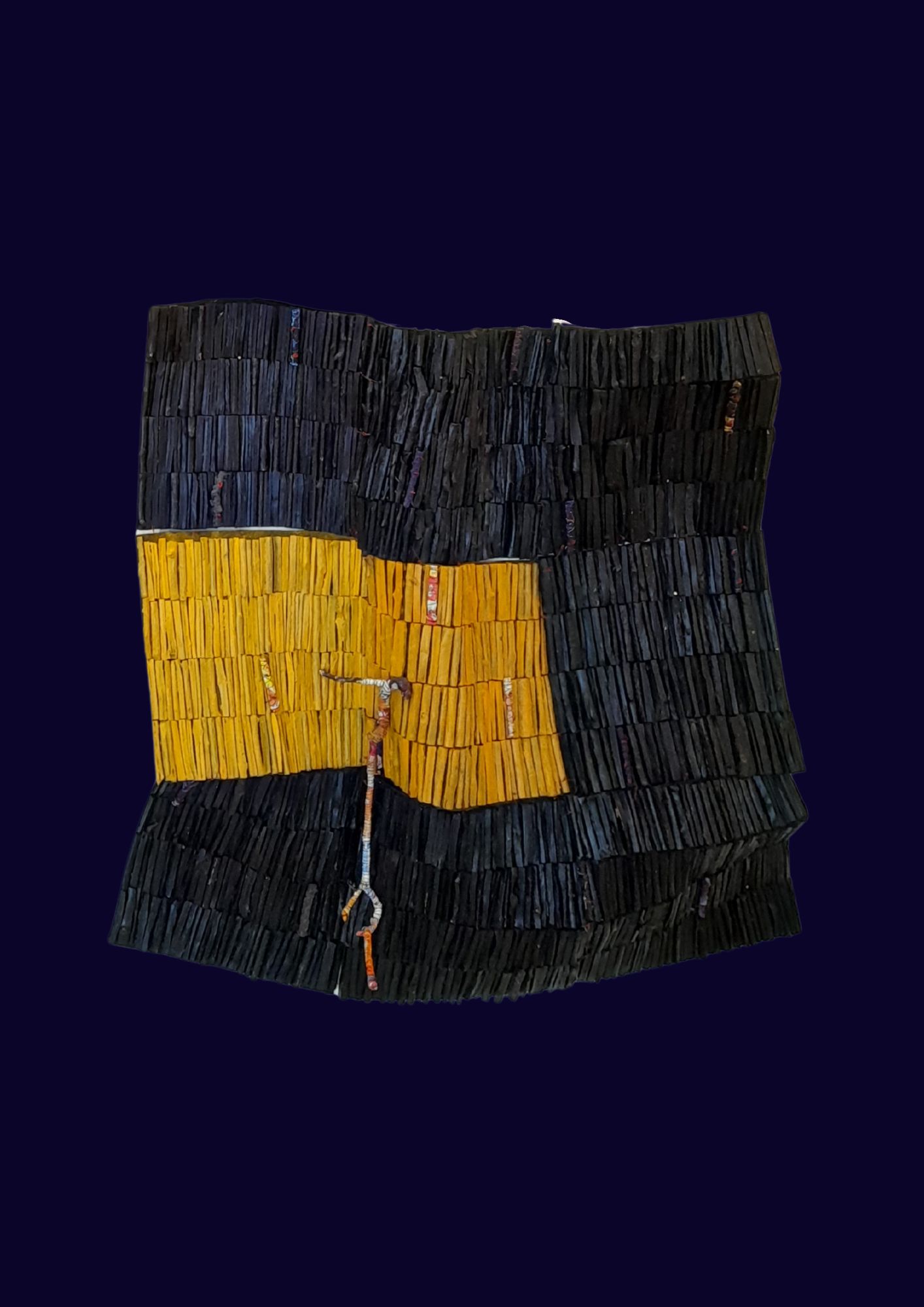
Elu 4 of 3
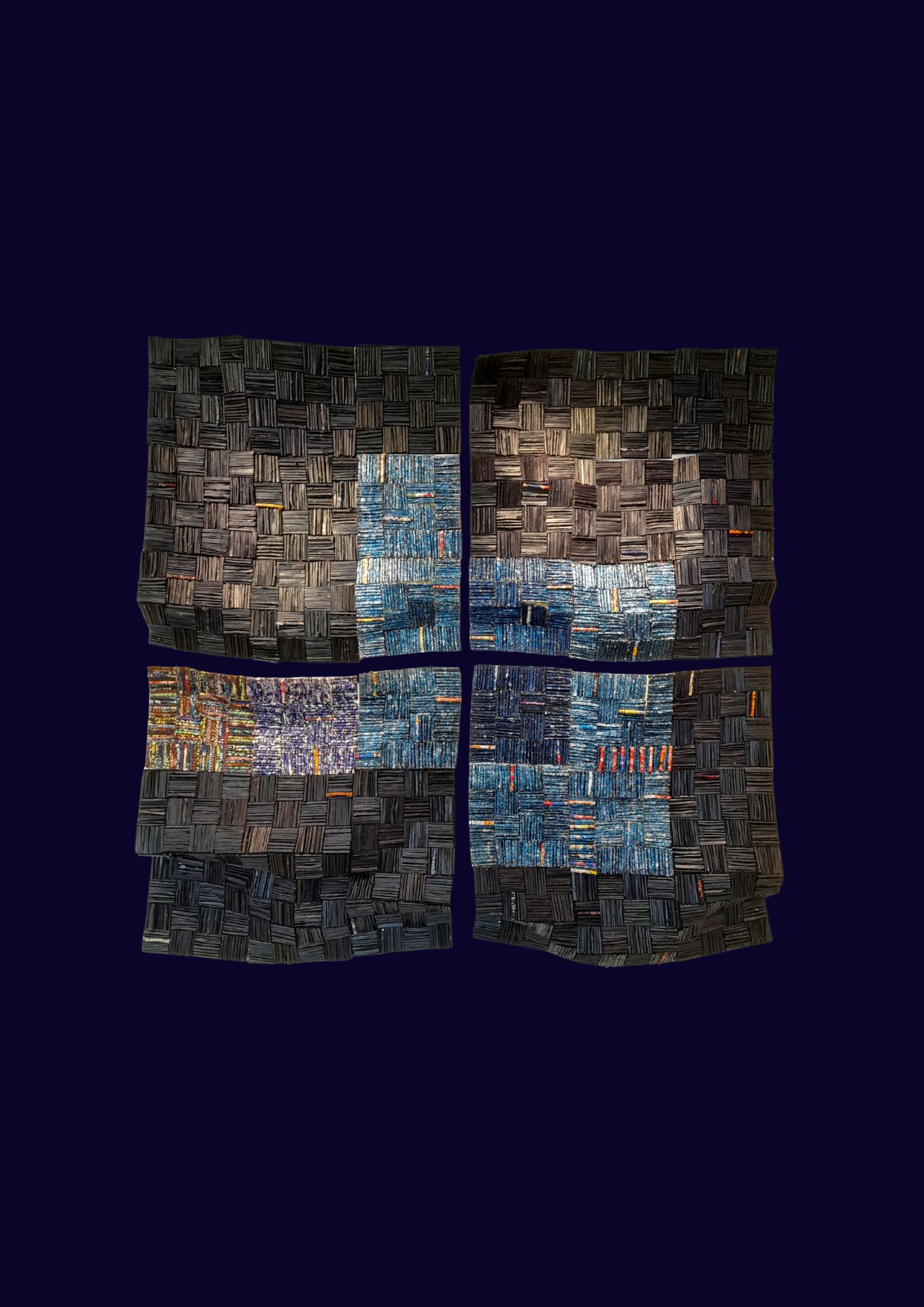
Elu 4
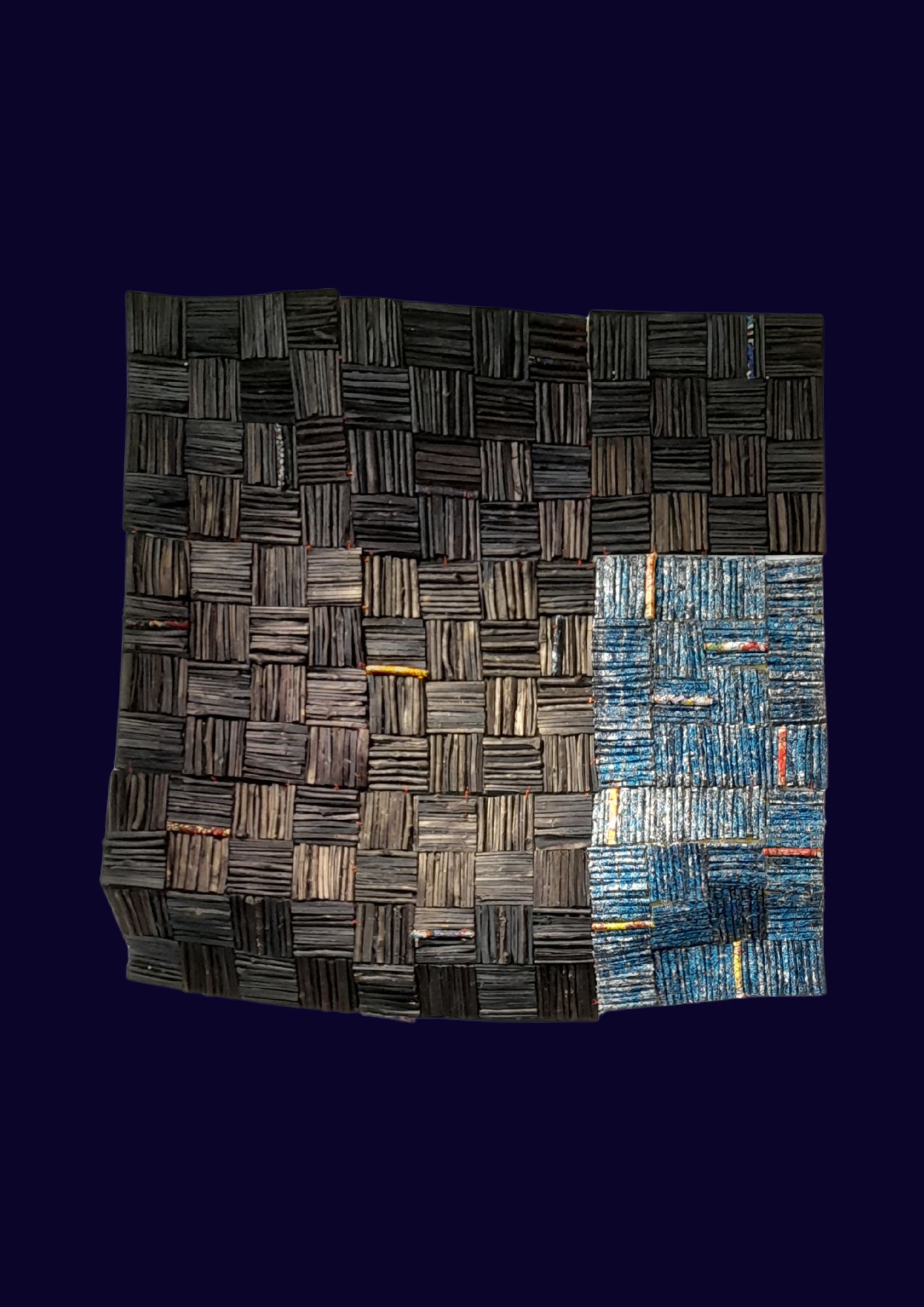
Elu 1 of 4
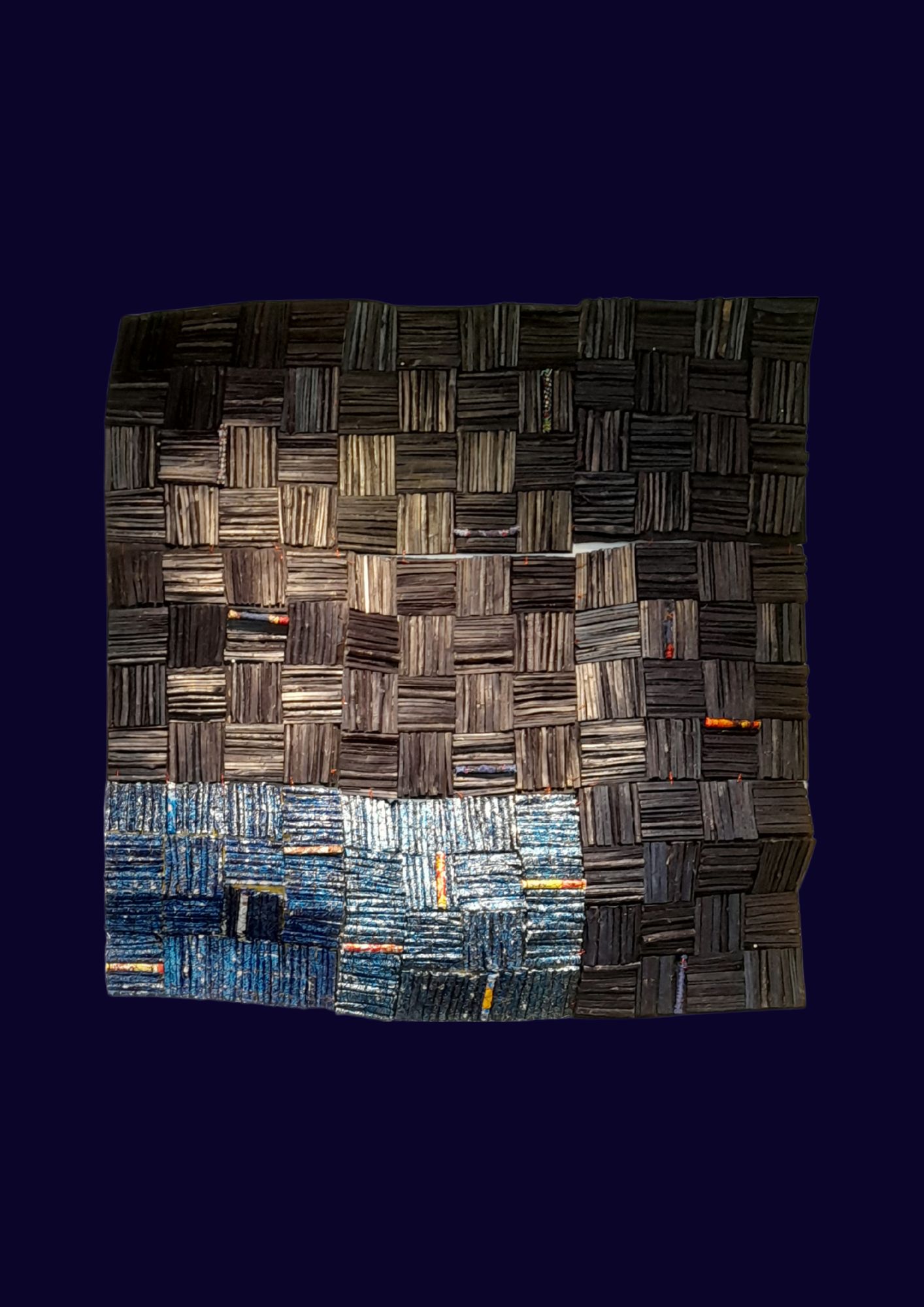
Elu 2 of 4
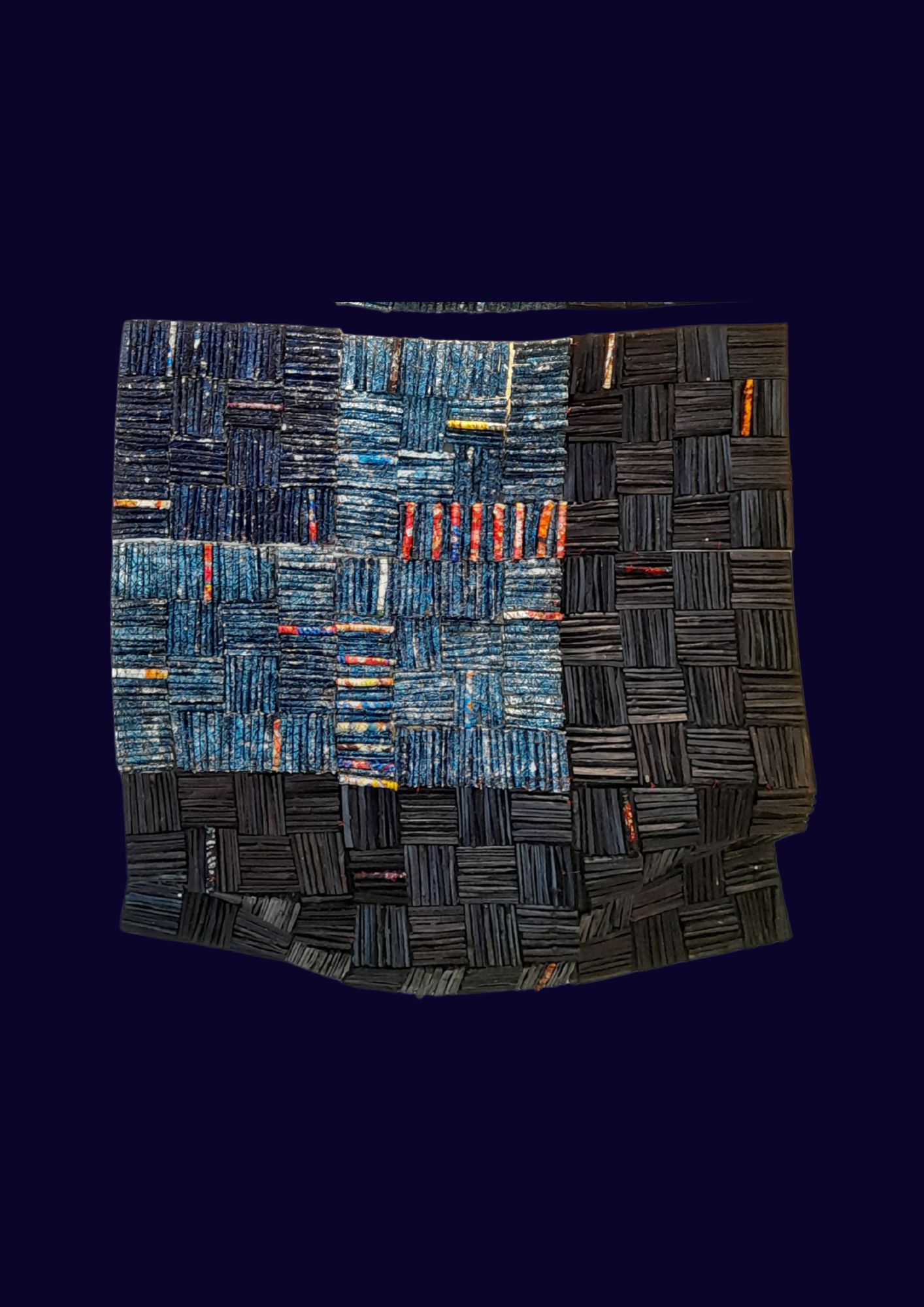
Elu 3 of 4
Elu 4 of 4
Elu 5
Elu 1 of 5
Elu 2 of 5
Elu 3 of 5
Elu 4 of 5
Can the rich lives alone?
Wura
Apeja
Broken net
Awon 1 and 2
Ofi
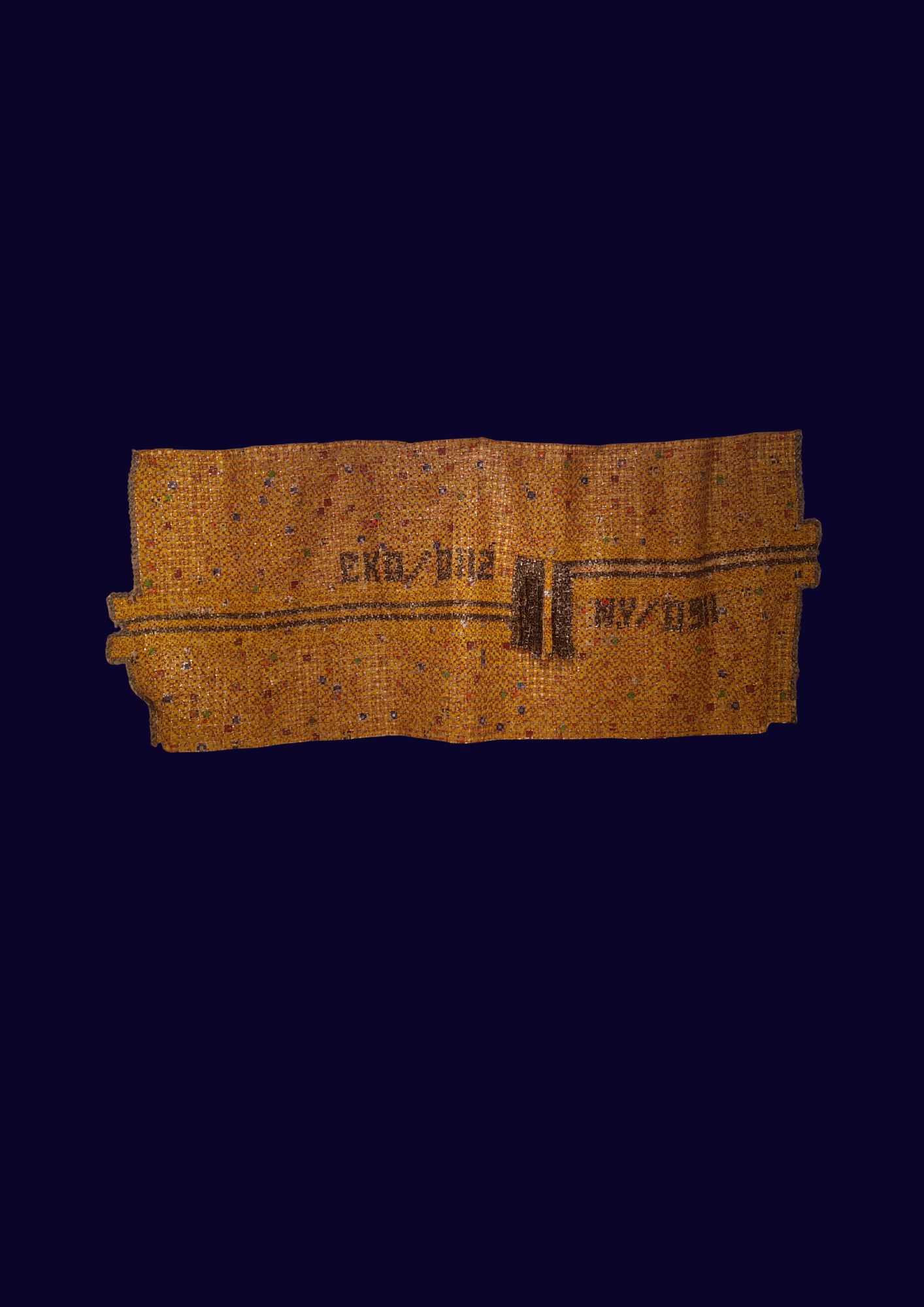
Lagos / New York
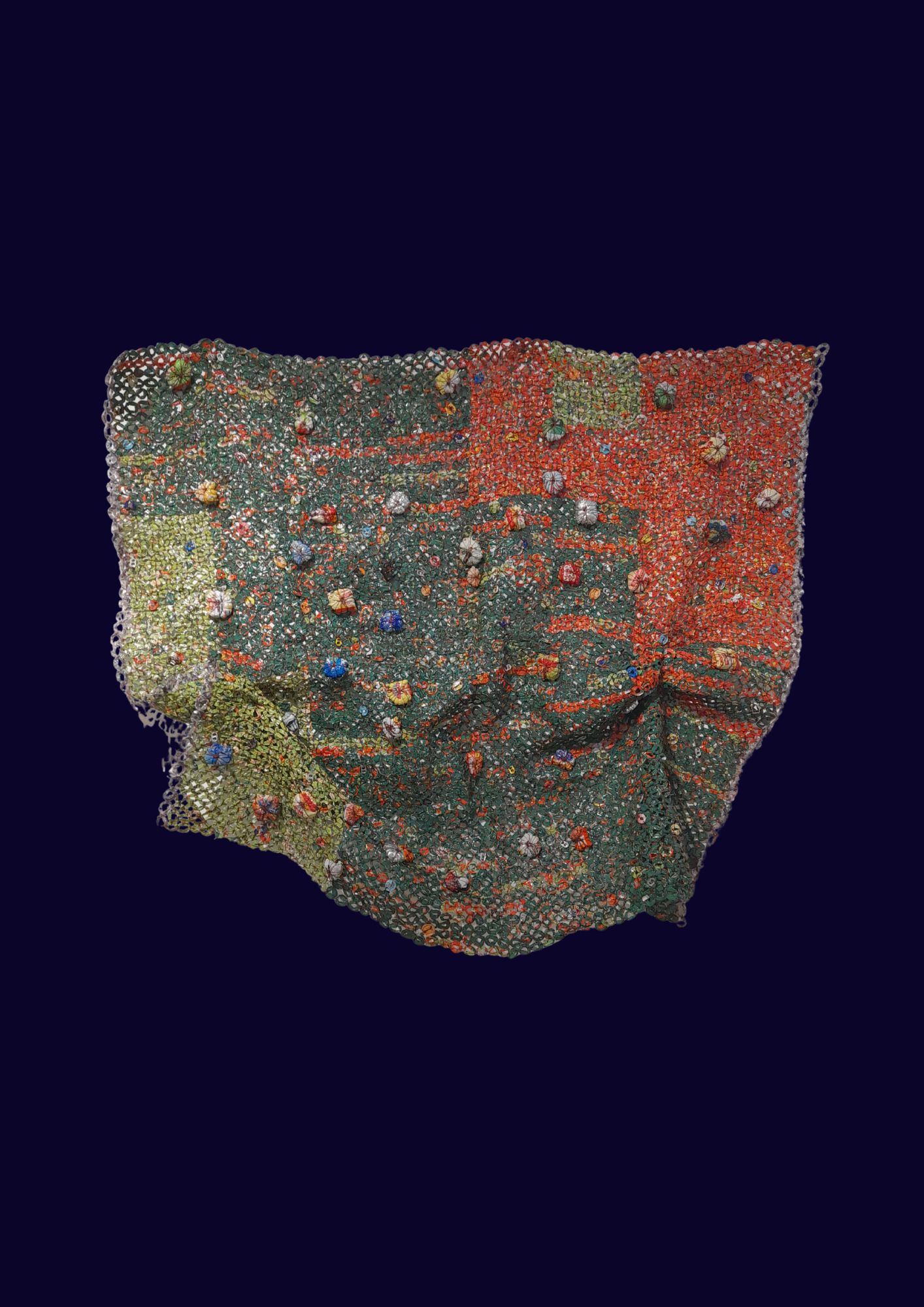
Alari
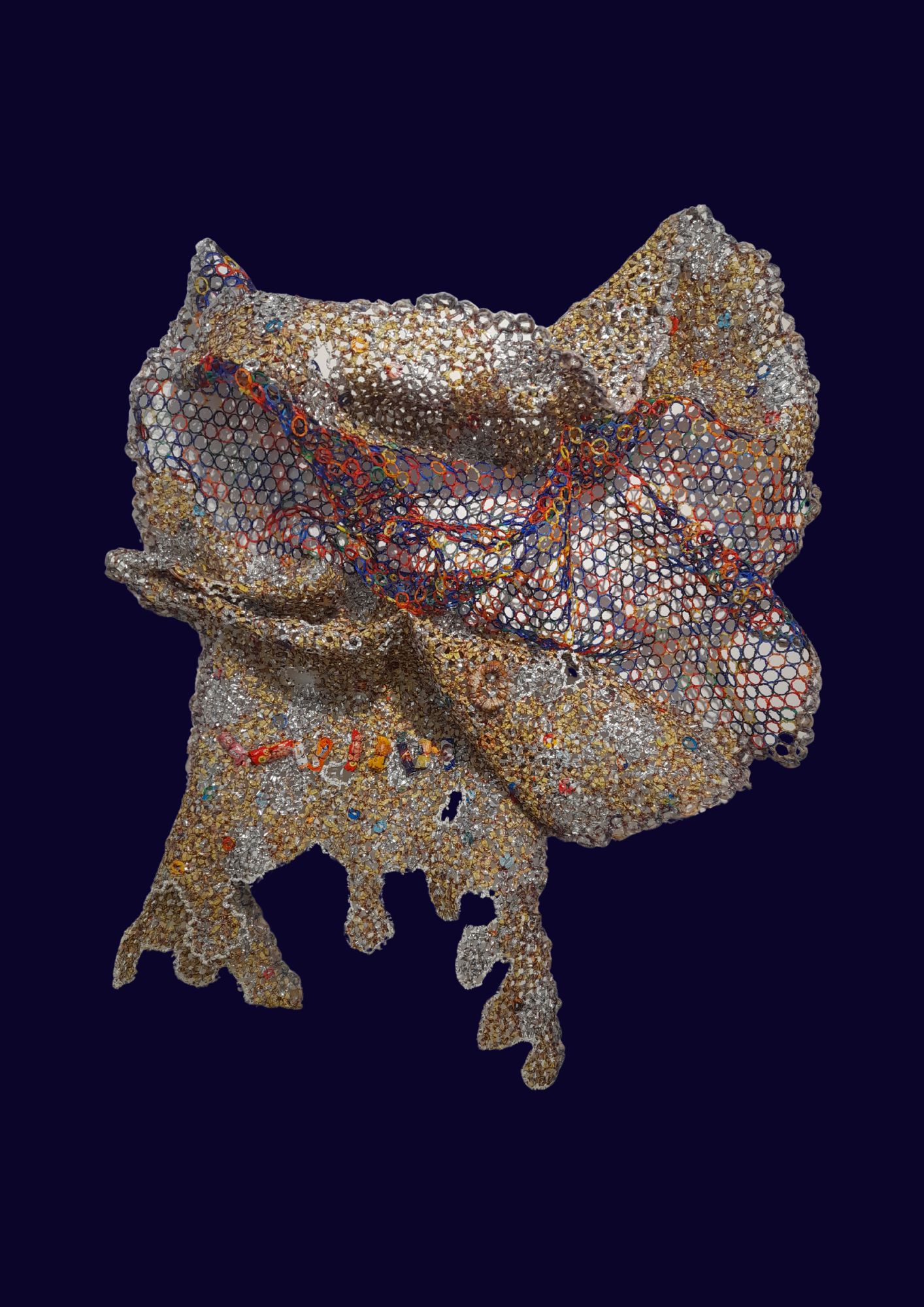
Ago 1
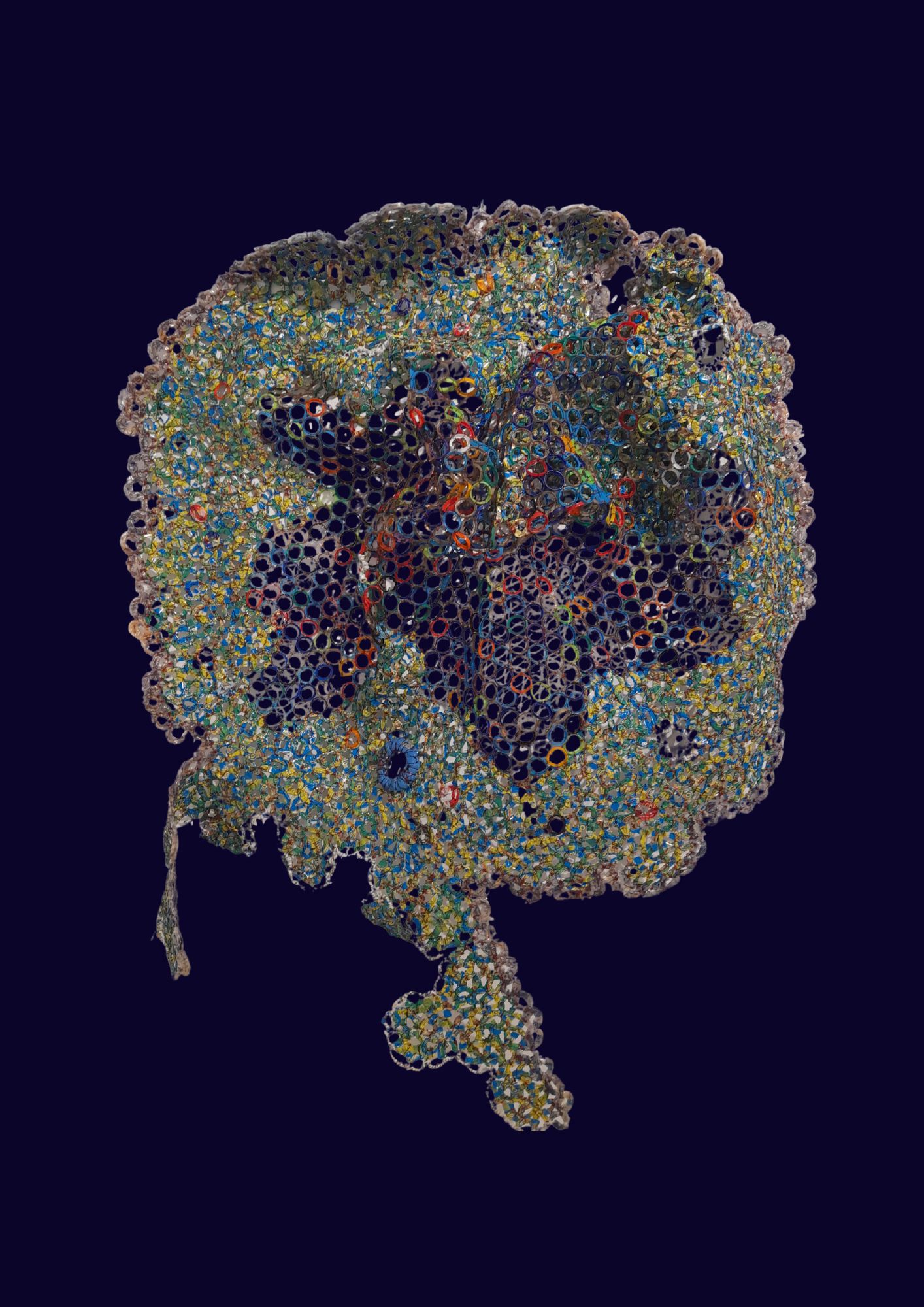
Ago 2
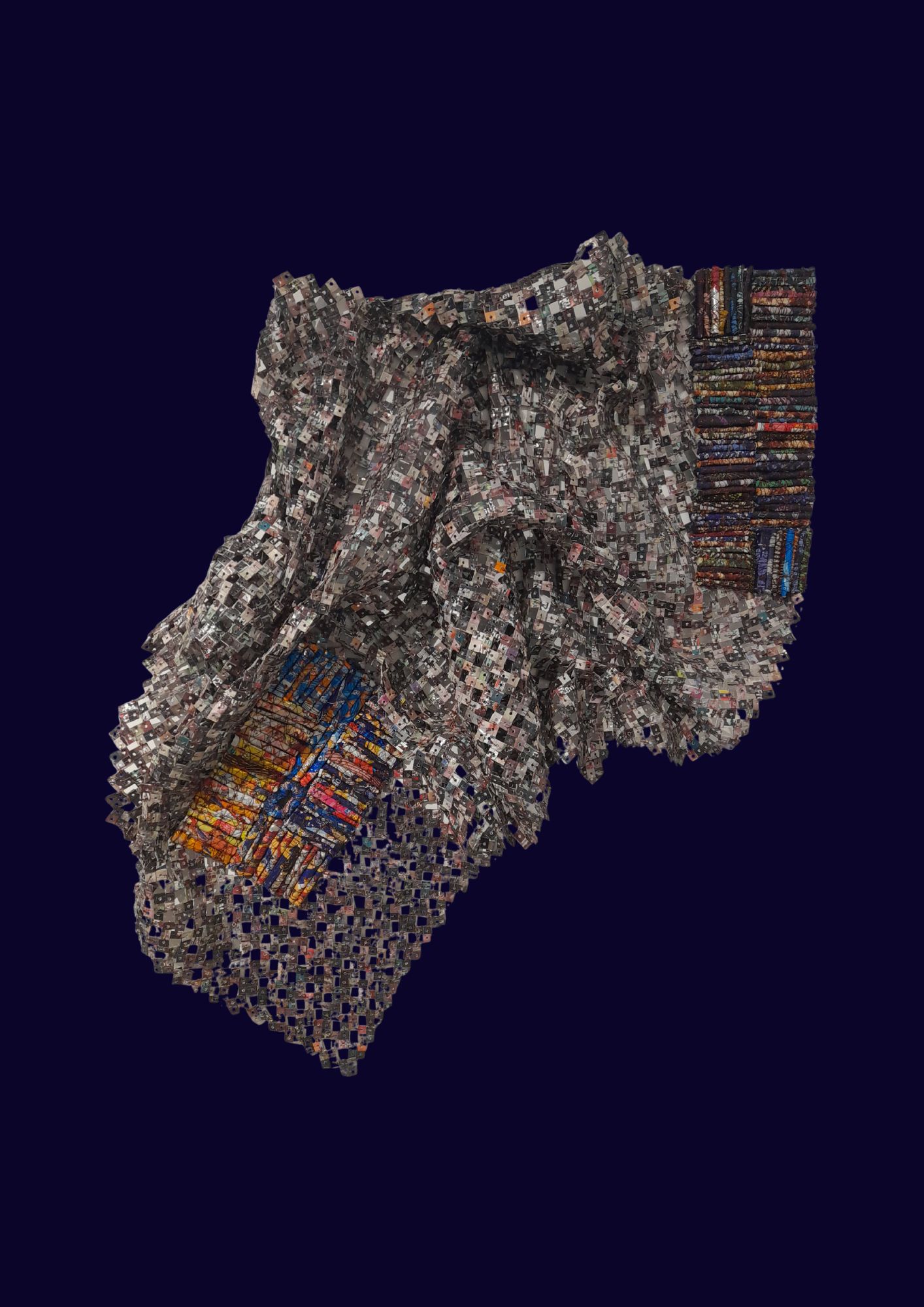
Omodelawo
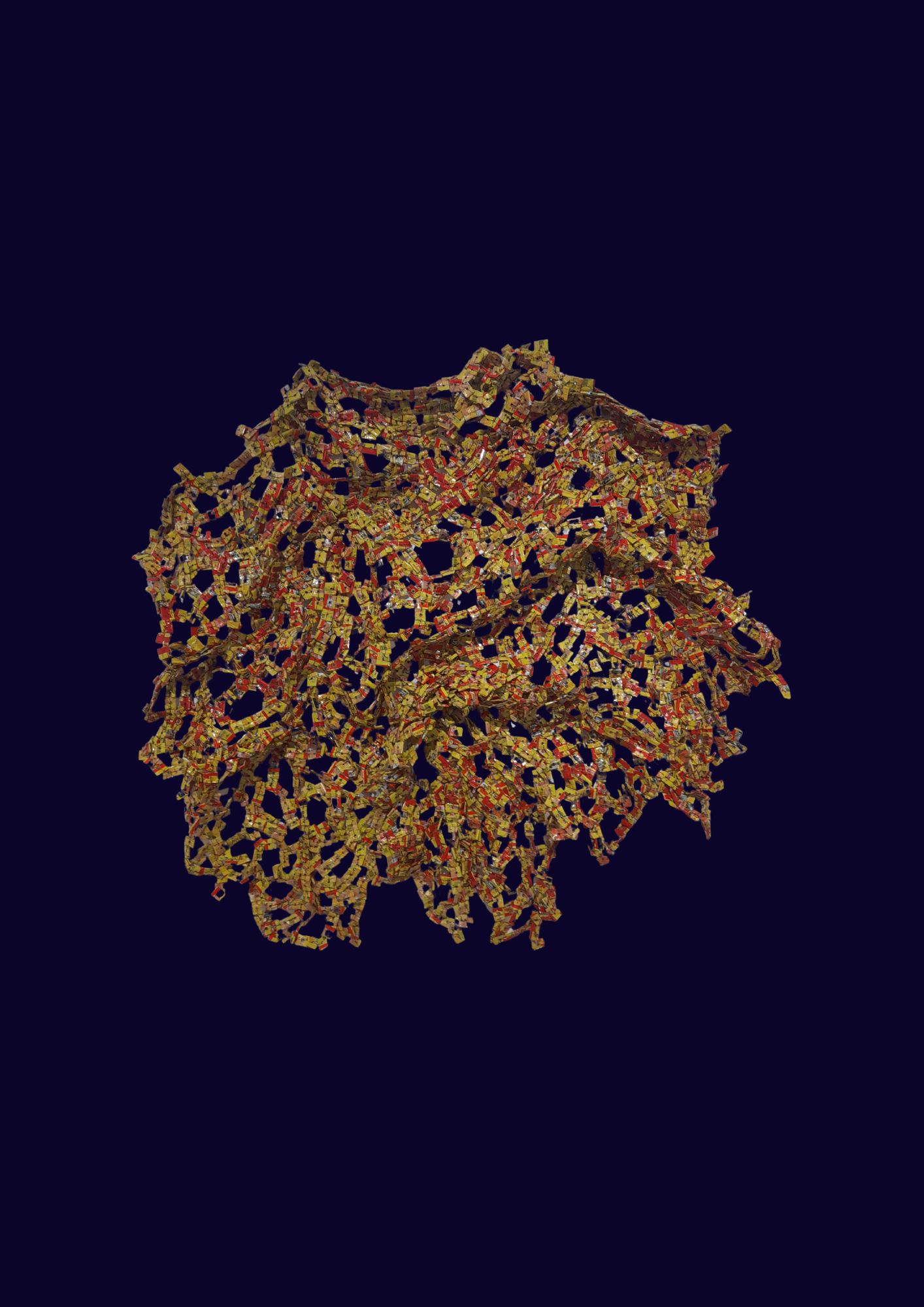
Sanyan
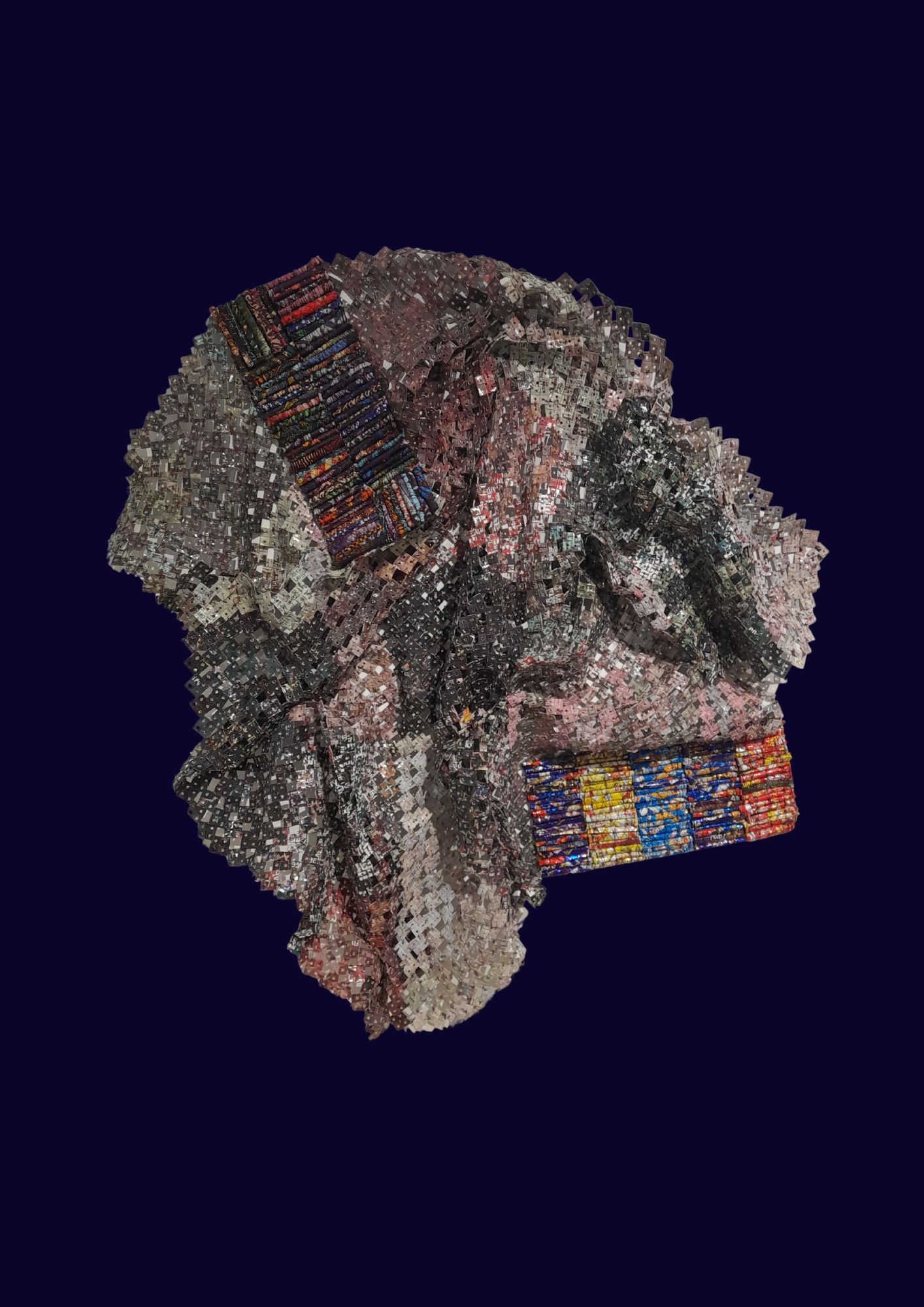
Agbaletu
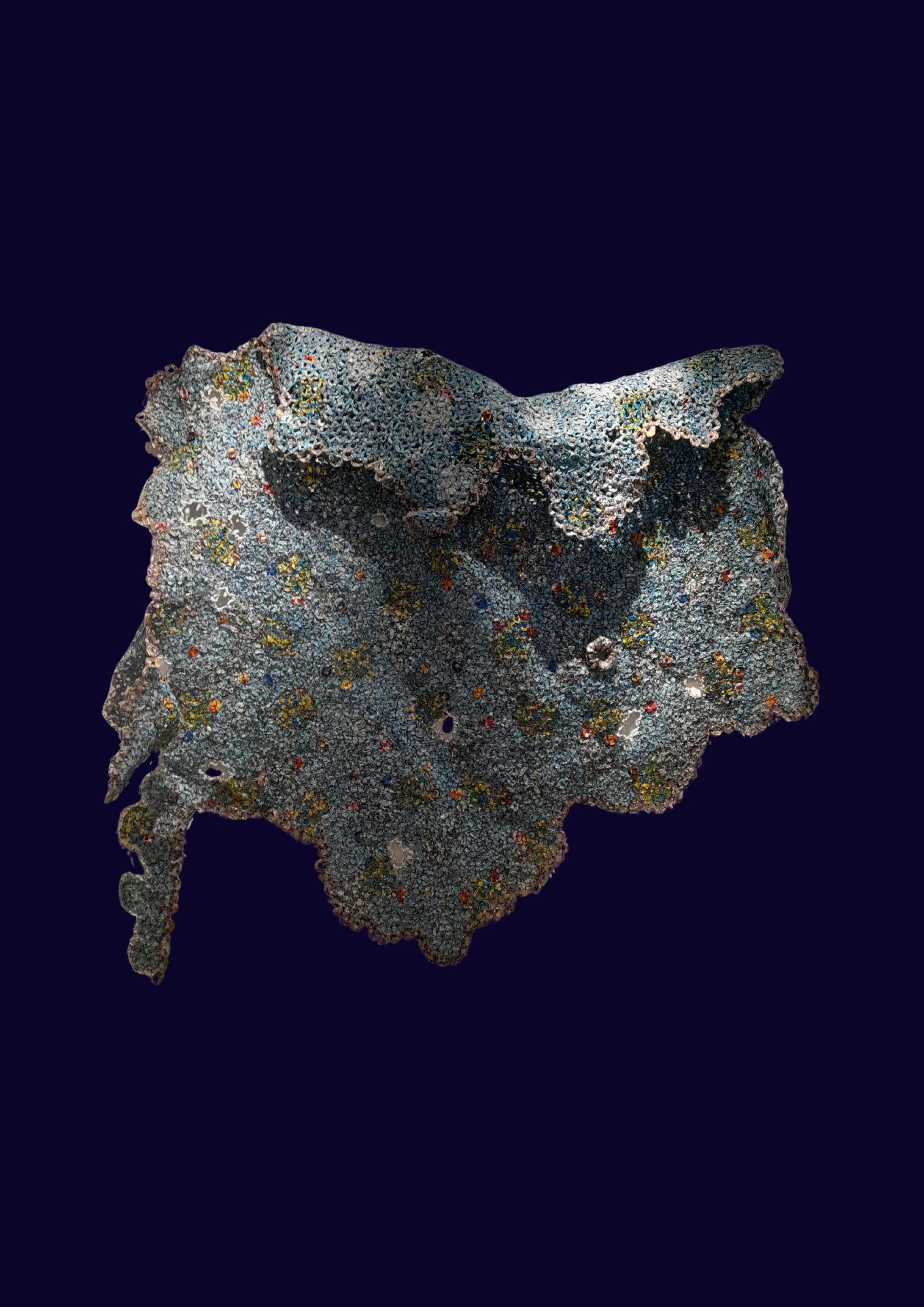
Ori iko 2
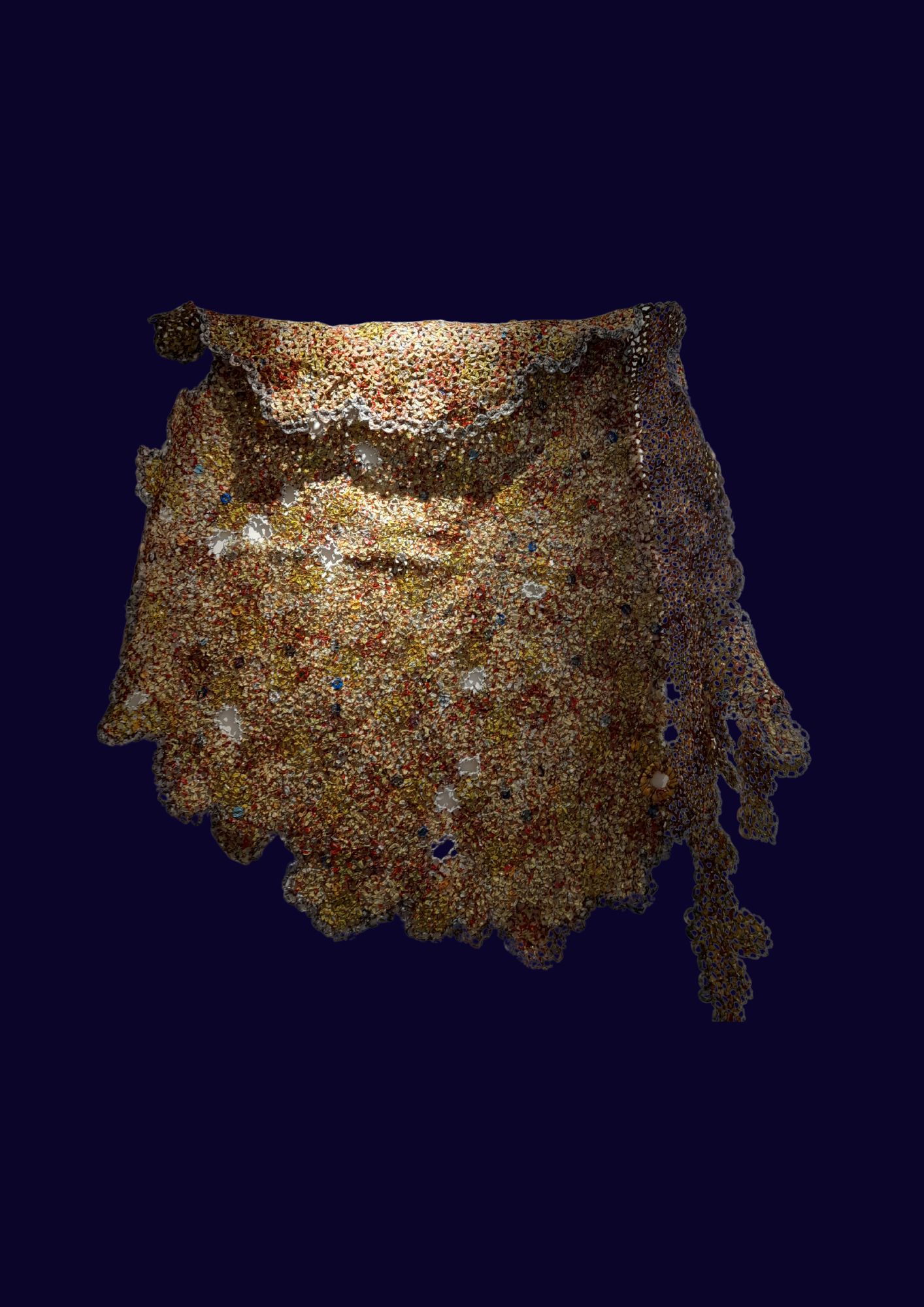
Ori iko 1
Artwork QR Link
Scan this QR code to view this artwork on your mobile device instantly.